
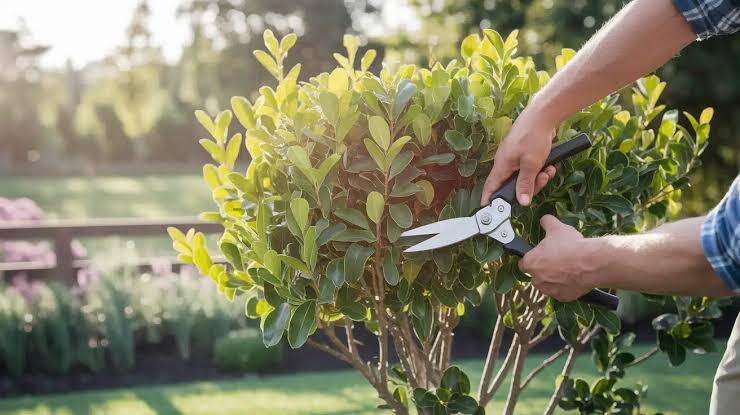
Trees make a property more attractive, provide shade, improve air quality, and increase curb appeal. Healthy trees can last for decades, but they need regular care to stay in good condition. One of the most important parts of tree maintenance is proper trimming.
Many homeowners try to trim their own trees to save money or improve the appearance of their yard. While light trimming may seem simple, common mistakes can damage a tree’s health, reduce its lifespan, and even create safety hazards. Knowing what to avoid can help you keep your trees healthy and growing properly.
This guide explains the most common tree trimming mistakes homeowners make and how to avoid them.
Why Proper Tree Trimming Matters
Tree trimming is about much more than appearance. A properly trimmed tree grows stronger, develops a balanced structure, and is less likely to suffer damage during storms.
Removing the right branches also improves airflow, allows more sunlight to reach the canopy, and helps reduce the spread of pests and diseases.
When trimming is done incorrectly, the opposite can happen. Poor cuts can weaken the tree, encourage disease, and create long-term problems that may require expensive repairs or even complete tree removal.
Mistake 1: Trimming Too Much at One Time
One of the biggest mistakes homeowners make is removing too many branches during a single trimming session.
Trees rely on their leaves to produce food through photosynthesis. Removing a large portion of the canopy reduces the tree’s ability to create energy, causing unnecessary stress.
Over-trimming can slow growth, weaken the tree, and make it more vulnerable to insects and disease.
Instead of removing large sections all at once, trim only the branches that truly need attention.
Mistake 2: Cutting Branches in the Wrong Place
Where a branch is cut matters just as much as which branch is removed.
Cutting too close to the trunk can damage the branch collar, which is the area that helps the tree heal naturally.
Leaving long branch stubs is another common mistake. These stubs often die back and become entry points for decay and insects.
Proper cuts allow the tree to heal more effectively while reducing the risk of disease.
Mistake 3: Topping the Tree
Tree topping involves cutting off large sections from the top of a tree to reduce its height.
Although some homeowners believe this controls growth, it usually causes more harm than good.
Topping weakens the tree, removes healthy branches, and encourages fast-growing shoots that are often weaker than the original branches.
These new branches are more likely to break during storms, creating additional safety risks.
Professional trimming focuses on maintaining the tree’s natural shape rather than removing the entire top.
Mistake 4: Trimming at the Wrong Time of Year
Timing plays an important role in tree health.
Some trees recover better when trimmed during their dormant season, while others may require light maintenance during active growth periods.
Trimming at the wrong time can increase stress and expose trees to pests or diseases.
Different tree species have different trimming schedules, so understanding the best season for your trees is important.
Mistake 5: Ignoring Dead or Diseased Branches
Many homeowners only trim branches that affect appearance while leaving damaged or diseased branches untouched.
Dead branches can fall unexpectedly and damage property or injure people.
Diseased branches may spread problems to healthy parts of the tree if they are not removed promptly.
Regular inspections help identify these issues before they become serious.
Mistake 6: Using Dull or Dirty Tools
Tree trimming tools should always be clean and sharp.
Dull blades crush branches instead of making clean cuts. Damaged cuts heal more slowly and may invite pests or disease.
Dirty tools can also spread infections from one tree to another.
Cleaning and sharpening tools before each trimming session helps protect tree health.
Mistake 7: Removing Healthy Large Branches Without a Reason
Large branches provide strength and balance.
Removing healthy structural branches simply to make a tree look smaller can weaken the entire tree.
Before cutting any large branch, consider whether it truly needs to be removed.
If the branch is healthy and not creating a safety concern, it is often better to leave it in place.
Mistake 8: Ignoring Tree Shape
Every tree has a natural growth pattern.
Some homeowners trim branches unevenly, creating an unbalanced appearance.
Poor shaping not only affects appearance but can also make the tree unstable over time.
Proper trimming maintains the tree’s natural form while improving balance and strength.
Mistake 9: Trimming Trees Too Frequently
Regular maintenance is beneficial, but trimming too often can also create problems.
Constantly removing new growth prevents the tree from developing naturally.
Most mature trees do not need major trimming every year unless they have storm damage or health concerns.
Allowing enough time between trimming sessions gives trees the opportunity to recover and continue healthy growth.
Mistake 10: Trying to Trim Large Trees Without Experience
Large trees present serious safety risks.
Working from ladders, using chainsaws, or trimming branches near power lines can be dangerous without proper training.
Many injuries occur each year because homeowners attempt difficult tree work themselves.
Large trimming jobs should always be handled carefully and safely.
A professional Tree Trimming Service has the equipment and experience to complete the work correctly.
Mistake 11: Forgetting to Inspect Trees After Storms
Strong winds, heavy rain, snow, and ice can damage trees without obvious signs.
Cracked branches or weakened limbs may remain attached for weeks before falling.
After severe weather, inspect your trees for:
- Broken branches
- Hanging limbs
- Split trunks
- Leaning trees
- Damaged bark
Early attention can prevent larger problems later.
Mistake 12: Ignoring Young Trees
Many homeowners only pay attention to mature trees.
Young trees also benefit from proper trimming because it helps create strong branch structure early in life.
Correcting growth problems while trees are young often prevents expensive maintenance in the future.
Healthy early development leads to stronger, longer-lasting trees.
Benefits of Avoiding Common Tree Trimming Mistakes
When trees are trimmed properly, they receive many long-term benefits.
Stronger Growth
Healthy branches receive more energy, allowing the tree to develop a stronger structure.
Better Appearance
Well-maintained trees improve the overall look of your landscape.
Improved Safety
Removing weak branches reduces the chance of storm damage or falling limbs.
Better Airflow
Proper spacing between branches improves air circulation and helps reduce moisture buildup.
Healthier Trees
Correct trimming lowers the risk of pests, decay, and disease while supporting healthy growth.
How Often Should Trees Be Trimmed?
The ideal trimming schedule depends on several factors, including:
- Tree species
- Tree age
- Growth rate
- Overall health
- Weather conditions
Young trees often benefit from regular structural trimming.
Mature trees usually require maintenance every few years, depending on their condition.
A routine inspection can help determine when trimming is needed.
When Should You Hire a Professional?
Some small pruning jobs can be handled safely by homeowners, but larger projects require experience.
Professional help is recommended when:
- Trees are very tall
- Branches hang over roofs
- Trees are close to power lines
- Large branches need removal
- Storm damage is present
- The tree shows signs of disease
Hiring experienced professionals helps protect both your property and your trees.
A trusted Tree Trimming Service understands proper trimming techniques.
A reliable Tree Trimming Service helps improve tree health.
An experienced Tree Trimming Service can safely handle difficult jobs.
Frequently Asked Questions
Can trimming too much kill a tree?
Yes. Removing too much of the canopy at one time can place severe stress on the tree and slow its recovery.
Why should dead branches be removed?
Dead branches can fall unexpectedly, spread disease, and attract insects.
Does trimming help trees grow faster?
Trimming does not force faster growth, but it helps trees direct their energy toward healthy branches, leading to stronger development.
Is it okay to trim trees during summer?
Some trees can be lightly trimmed during summer, while others benefit more from trimming during dormancy. The best timing depends on the species and the purpose of trimming.
How do I know if my tree needs trimming?
Signs include dead branches, crowded growth, branches touching structures, storm damage, or an uneven canopy.
Final Thoughts
Tree trimming is an important part of keeping your landscape healthy, safe, and attractive. However, simple mistakes can cause lasting damage if they are not avoided. Trimming too much, making incorrect cuts, topping trees, and ignoring damaged branches are some of the most common problems homeowners face.
Learning proper tree care practices helps trees stay strong for many years. Regular inspections, careful trimming, and timely maintenance can prevent costly repairs while improving the overall health of your landscape.
When a trimming job becomes too large or requires specialized knowledge, working with a professional Tree Trimming Service is a smart choice. Proper care today helps your trees remain healthy, beautiful, and safe for many seasons to come.