
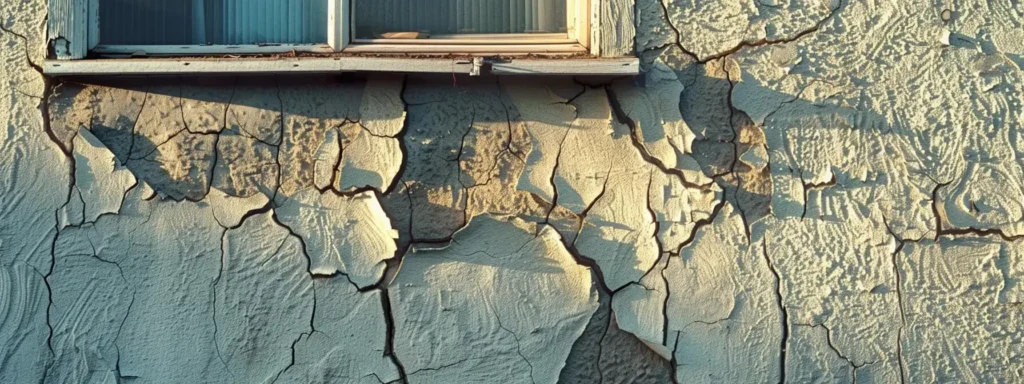
Stucco is one of the most durable and attractive exterior finishes used on homes. It protects walls from weather while giving a home a clean and finished appearance. When installed correctly, stucco can last for many years with only routine maintenance. However, it is normal for cracks to appear over time.
Some cracks are small and harmless, while others may be signs of moisture damage or structural movement. Knowing what causes stucco cracks and understanding how to fix them can help you prevent larger and more expensive repairs.
This guide explains the common causes of stucco cracks, the different types of cracks you may see, repair options, and simple ways to keep your stucco in good condition.
Are Stucco Cracks Normal?
Yes, some cracking is normal. Stucco is a cement-based material, and like concrete, it naturally expands and contracts as temperatures change. Homes also settle slightly over the years, which can create small surface cracks.
Hairline cracks are usually cosmetic, but they should still be sealed to prevent moisture from entering. Larger cracks or cracks that continue to grow often point to a more serious issue that should be inspected by a professional.
Common Causes of Stucco Cracks
There are several reasons why stucco develops cracks. Understanding the cause is the first step toward choosing the right repair.
Natural House Settling
Every home settles after construction. This movement places small amounts of stress on the stucco, which can lead to fine cracks.
These cracks are usually:
- Thin
- Short
- Evenly spread
- Limited to the surface
Although they are often minor, repairing them early helps keep water out.
Temperature Changes
Stucco expands during warm weather and contracts when temperatures drop.
Over time, these repeated changes create stress on the surface, especially in areas that experience hot summers and cold winters.
Small cracks caused by seasonal movement are common but should still be monitored.
Moisture Intrusion
Water is one of the biggest causes of stucco damage.
Moisture may enter through:
- Damaged flashing
- Worn caulking
- Roof leaks
- Poor drainage
- Cracked windows
- Gaps around doors
Once water gets behind the stucco, it can weaken the materials underneath and eventually cause larger cracks.
Poor Installation
Improper installation often causes cracking much sooner than expected.
Installation mistakes may include:
- Incorrect material mixing
- Poor curing
- Thin application
- Missing control joints
- Weak reinforcement
Quality installation is one of the most important factors in preventing future damage.
Foundation Movement
If the home’s foundation shifts because of soil movement or drainage problems, the walls move with it.
This movement may create:
- Long vertical cracks
- Horizontal cracks
- Stair-step cracks
Foundation-related cracks should always be inspected because they may affect the home’s structure.
Impact Damage
Stucco can also crack after being hit by:
- Lawn equipment
- Tree branches
- Sports equipment
- Vehicles
Impact damage usually affects one specific area instead of spreading across the wall.
Aging Stucco
Even properly installed stucco will eventually show signs of wear.
Years of exposure to sunlight, rain, wind, humidity, and changing temperatures slowly weaken the material.
Routine maintenance helps extend its lifespan.
Different Types of Stucco Cracks
Not all cracks mean the same thing.
Understanding the type of crack helps determine whether the damage is cosmetic or requires more extensive repair.
Hairline Cracks
Hairline cracks are the smallest type of crack.
They usually occur because of:
- Normal shrinkage
- Temperature changes
- Minor settling
These cracks should be sealed before moisture enters.
Vertical Cracks
Vertical cracks often develop from natural settling.
Most are not serious unless they become wider over time.
Horizontal Cracks
Horizontal cracks deserve immediate attention.
They may indicate structural movement or pressure behind the wall.
These cracks should be professionally inspected.
Stair-Step Cracks
Stair-step cracks commonly appear around masonry sections.
They may indicate movement in the foundation or supporting structure.
Wide Cracks
Any crack wider than one-eighth inch should not be ignored.
Wide cracks allow water to enter more easily and often signal deeper problems.
Warning Signs That Cracks Need Immediate Repair
Some cracks are accompanied by other warning signs.
Watch for:
- Water stains
- Bulging stucco
- Soft areas
- Loose sections
- Mold growth
- Peeling paint
- Interior moisture damage
These signs often indicate water has already entered behind the stucco.
What Happens If Stucco Cracks Are Ignored?
Leaving cracks untreated can create much larger problems over time.
Possible consequences include:
- Water intrusion
- Mold growth
- Wood rot
- Damaged insulation
- Interior drywall damage
- Higher repair costs
Small repairs completed early are usually much less expensive than major restoration work.
How Professionals Repair Stucco Cracks
The repair method depends on the size and cause of the crack.
Repairing Hairline Cracks
Small surface cracks are usually cleaned and filled with flexible stucco sealant.
After curing, the repaired area can be painted to match the surrounding wall.
Replacing Damaged Stucco
If moisture has weakened the stucco, damaged sections may need to be removed.
The repair process often includes:
- Removing loose material
- Inspecting the wall underneath
- Repairing moisture damage
- Applying new stucco
- Matching the existing texture
Correcting Moisture Problems
When water causes cracking, fixing the crack alone is not enough.
Professionals inspect:
- Roof flashing
- Gutters
- Windows
- Doors
- Drainage
- Exterior sealants
Once the moisture source is repaired, permanent stucco repairs can begin.
Can You Repair Stucco Yourself?
Very small cosmetic cracks can sometimes be repaired by homeowners using products made for stucco.
However, larger cracks or moisture-related damage usually require professional repairs.
Without identifying the underlying cause, the same cracks often return. https://alstonstucco.us/stucco-installation-philadelphia/
How to Prevent Future Stucco Cracks
Regular maintenance reduces the risk of serious damage.
Helpful tips include:
- Inspect your stucco twice each year.
- Seal small cracks quickly.
- Keep gutters clean.
- Direct water away from the foundation.
- Replace worn caulking around windows and doors.
- Trim shrubs away from exterior walls.
- Schedule professional inspections when needed.
These simple steps help extend the life of your stucco.
Planning a New Stucco Installation
Sometimes older stucco has reached the end of its lifespan, making replacement a better option than repeated repairs.
Homeowners considering Residential stucco installation philadelphia should choose an experienced contractor who understands proper installation methods, moisture protection, and long-term durability. A professionally installed stucco system improves curb appeal while providing reliable protection against the weather.
Many homeowners also ask about Stucco installation philadelphia cost before beginning a project. The final price depends on several factors, including the size of the home, the condition of the existing exterior, the type of stucco selected, and whether repairs are needed before installation. Requesting a detailed inspection and written estimate is the best way to understand the total cost for your specific property.
When Should You Call a Professional?
You should contact a stucco specialist if you notice:
- Growing cracks
- Horizontal cracks
- Bulging walls
- Water stains
- Soft spots
- Loose stucco
- Interior moisture damage
A professional inspection helps identify hidden issues before they become expensive repairs.
Final Thoughts
Stucco cracks are common, but they should never be ignored. While small hairline cracks are often part of normal aging, larger or expanding cracks may indicate moisture problems, foundation movement, or poor installation. Identifying the cause early allows you to make the right repairs and protect your home from further damage.
Routine maintenance, regular inspections, and timely repairs will help your stucco remain strong, attractive, and long lasting for many years.
Trusted Stucco Repair and Installation Services
If your stucco has cracks, moisture damage, or signs of wear, Alston Stucco & Remediation is ready to help. Their experienced team carefully inspects every project to identify the source of the problem and recommend the most effective repair or installation solution. https://alstonstucco.us/
Whether you need minor crack repairs, complete remediation, or a new stucco exterior, Alston Stucco & Remediation is committed to quality workmanship and dependable service. Their goal is to protect your home while delivering results that look great and last fo years.