
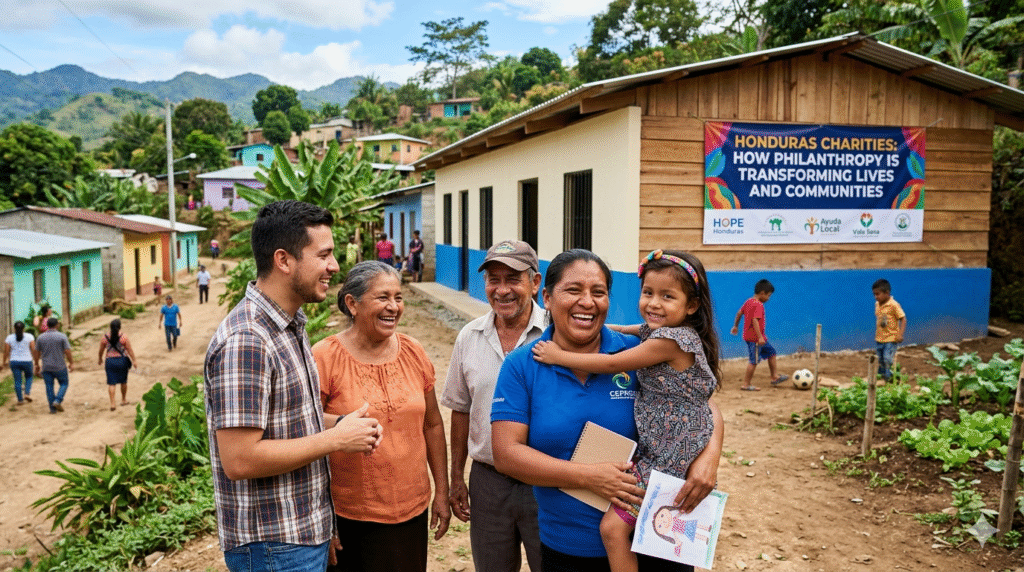
In recent years, global attention toward humanitarian work in Central America has steadily increased, especially around poverty alleviation, education access, and healthcare support. Many individuals searching for ways to contribute often begin by exploring reliable honduras charities, looking for structured ways to make a meaningful impact. These organizations play a crucial role in addressing systemic challenges that affect vulnerable populations across the region.
In Honduras, charitable initiatives are not just about emergency aid—they are long-term development engines. They help communities rebuild after natural disasters, improve school enrollment rates, and support families struggling with limited access to healthcare. However, understanding how these charities operate and how to engage with them effectively is essential for donors, volunteers, and partners who want to ensure their contributions create sustainable change.
At the same time, the landscape of charitable work can be complex. Not all programs are equally transparent or impactful, and the difference between short-term relief and long-term empowerment is often misunderstood. This makes it even more important to learn how these organizations function and what makes them successful.
Core Understanding of Charitable Work in Honduras
Charitable organizations operating in Honduras typically focus on addressing three major areas: education, healthcare, and economic development. These sectors are deeply interconnected. For instance, a child’s ability to attend school often depends on family income and access to nutrition and medical care.
Education-based charities often build schools, provide scholarships, or supply educational materials to underserved communities. In rural regions, where government resources are limited, these programs can significantly increase literacy rates and school attendance. Healthcare initiatives, on the other hand, focus on mobile clinics, maternal care, vaccination programs, and basic medical training for local workers.
Economic development efforts aim to reduce long-term dependency on aid. This includes vocational training, small business support, and agricultural assistance. Many families in rural areas rely on farming, so teaching sustainable agriculture techniques has become a key focus of several charitable groups.
Together, these programs aim to break the cycle of poverty rather than simply manage its symptoms.
Step-by-Step Guide to Supporting Honduras Charities Effectively
Engaging with charities in Honduras is more impactful when approached strategically. Whether you are donating, volunteering, or building partnerships, following a structured process ensures that your contribution has long-term value.
Step 1: Research the Organization’s Mission
Before committing resources, review the organization’s goals and operational transparency. Look for charities that clearly define their focus areas such as education, healthcare, or infrastructure. Effective organizations usually publish impact reports or provide updates on completed projects.
Step 2: Understand Local Needs
Successful charitable work in Honduras depends heavily on cultural and regional understanding. Needs in urban areas like Tegucigalpa differ significantly from rural villages. Urban communities may require job training programs, while rural communities often prioritize clean water access and school infrastructure.
Step 3: Evaluate Sustainability Models
A strong charity does more than provide short-term relief. It builds systems that continue functioning after external funding decreases. For example, training local teachers or healthcare workers ensures knowledge remains within the community.
Step 4: Choose the Right Type of Involvement
There are multiple ways to contribute:
- Financial donations for ongoing programs
- Skill-based volunteering (medical, educational, technical)
- Material contributions such as books or medical supplies
- Remote support through consulting or digital assistance
Each type of involvement has different levels of impact depending on the organization’s structure.
Step 5: Monitor Impact and Stay Engaged
After contributing, staying informed about outcomes is important. Many charities provide newsletters or progress updates showing how funds or volunteer efforts are used. Continuous engagement builds accountability and trust.
Common Mistakes and Challenges in Supporting Charities
While charitable intentions are often strong, there are common mistakes that reduce overall impact. One of the most frequent issues is donating without verifying legitimacy or long-term effectiveness. Some organizations may focus heavily on fundraising but lack measurable results on the ground.
Another challenge is assuming that foreign-led solutions automatically fit local needs. In reality, communities in Honduras benefit most when solutions are designed in collaboration with local leaders. Without this input, programs may fail to address real priorities or cultural contexts.
A further issue is short-term thinking. Many donors prefer visible, immediate results, but meaningful change often takes years. Building schools, improving healthcare systems, or developing local economies requires sustained effort and patience.
Lastly, lack of coordination between charities can lead to duplicated efforts in some regions while other areas remain underserved. Better communication among organizations helps distribute resources more effectively.
Practical Tips for Making a Real Difference
To maximize your impact, it is important to approach charitable involvement with both awareness and strategy. One effective practice is focusing on long-term partnerships rather than one-time donations. Supporting a single organization consistently allows them to plan better and expand their programs.
Another useful approach is prioritizing community-led initiatives. Programs designed with local input tend to be more successful because they reflect real needs and cultural realities. Listening to community leaders can often reveal solutions that external donors might overlook.
Additionally, consider combining financial support with advocacy. Raising awareness about challenges in Honduras can attract more resources and encourage others to participate in meaningful ways.
Skill-based volunteering is another high-impact option. Professionals such as teachers, healthcare workers, engineers, and business consultants can provide expertise that has lasting benefits far beyond financial aid.
Finally, always look for measurable outcomes. Effective charities will be able to demonstrate progress through education enrollment rates, improved health indicators, or increased household income levels.
Conclusion
Charitable work in Honduras represents a powerful opportunity to support long-term development and improve quality of life for thousands of families. However, meaningful impact requires more than good intentions—it demands informed decision-making, cultural understanding, and sustained engagement.
By carefully researching organizations, focusing on sustainability, and supporting community-driven solutions, donors and volunteers can help create lasting change. Whether through financial contributions, skill-sharing, or ongoing advocacy, every effort plays a role in strengthening communities and building a more resilient future.