
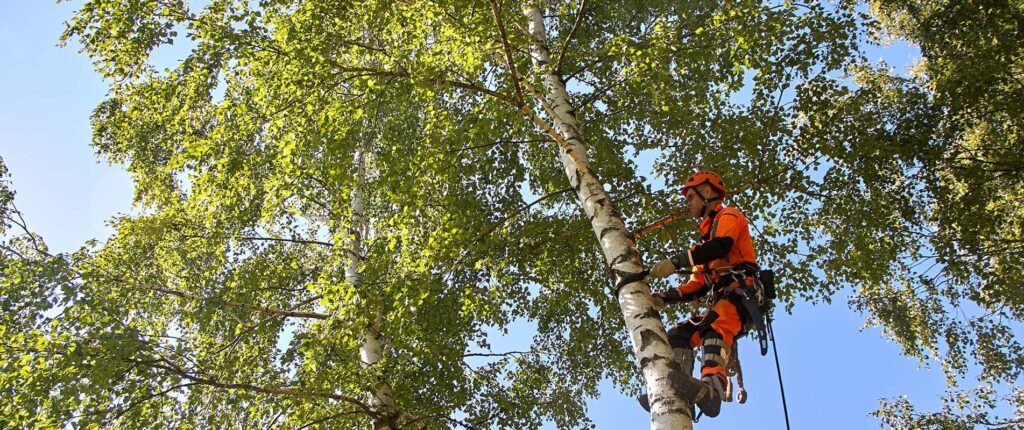
Trees add beauty, shade, and value to a property. They create a comfortable outdoor space and improve the overall appearance of homes and businesses. While healthy trees offer many benefits, they also need regular care to stay strong and safe. One problem that many property owners overlook is dead tree branches.
A dead branch may seem harmless, especially if it is still attached to the tree. However, these branches become weaker over time and can create serious safety risks. They may fall without warning, damage property, injure people, or spread disease to healthy parts of the tree.
Understanding why dead branches become dangerous can help you take action before they cause expensive or harmful problems.
What Are Dead Tree Branches?
Dead tree branches are limbs that have stopped growing. They no longer receive nutrients from the tree and cannot produce leaves, flowers, or new growth.
Branches may die for several reasons, including:
- Storm damage
- Strong winds
- Disease
- Insect infestations
- Drought
- Root damage
- Old age
- Poor soil conditions
Some trees may have only one dead branch, while others may have several throughout the canopy.
Why Do Dead Branches Become Dangerous?
Dead branches continue to dry out after they die. As the wood loses moisture, it becomes brittle and weak. This makes it much easier for the branch to crack or break.
Unlike healthy branches that can bend with the wind, dead branches have very little flexibility.
Over time, they become a hazard to people, buildings, vehicles, and nearby trees.
They Can Fall Without Warning
One of the biggest dangers is that dead branches often fall unexpectedly.
Even on calm days, a dead limb may break because of its own weight.
During windy weather, the risk becomes much higher.
A falling branch can strike:
- People
- Children playing outside
- Pets
- Parked vehicles
- Homes
- Garages
- Fences
- Outdoor furniture
Large branches can cause serious injuries and expensive property damage.
Storms Make Dead Branches Even More Dangerous
Heavy rain, strong winds, hurricanes, and snow place extra pressure on trees.
Dead branches are usually the first parts of the tree to break.
Storms can turn loose branches into dangerous falling objects.
Removing dead limbs before storm season helps lower the chance of damage during severe weather.
Dead Branches Can Damage Your Home
Trees often grow close to houses.
When a dead branch falls, it may hit:
- Roofs
- Windows
- Gutters
- Porches
- Solar panels
- Air conditioning units
Even a medium-sized branch can result in costly repairs.
Regular inspections help identify dangerous limbs before they fall.
They Can Damage Vehicles
Cars parked beneath trees are also at risk.
A falling branch can:
- Dent the roof
- Break windows
- Scratch paint
- Damage the windshield
Parking under trees with visible dead branches is never a good idea until those branches have been removed.
Dead Branches Can Injure People
Safety is the most important reason for removing dead branches.
People walking beneath trees often do not realize a branch is dead.
A falling limb can cause serious injuries.
This is especially dangerous in:
- Parks
- Schools
- Playgrounds
- Driveways
- Sidewalks
- Public spaces
Removing hazardous branches helps create a safer environment.
Deadwood Attracts Insects
Dead wood provides an ideal place for insects to live.
Some common pests include:
- Carpenter ants
- Beetles
- Wood borers
- Termites
These insects may begin in dead branches before spreading to healthy trees or nearby wooden structures.
Removing deadwood helps reduce pest activity.
Dead Branches Can Spread Disease
Dead branches often become infected by fungi and bacteria.
If infected wood remains on the tree, disease may spread into healthy branches and even the trunk.
Removing dead branches early reduces the chance of larger tree health problems.
Healthy trees recover more easily when damaged areas are removed promptly.
Dead Branches Slow Healthy Growth
Trees continue sending energy throughout their structure.
Dead branches no longer benefit from these nutrients.
By removing them, the tree can direct more energy toward healthy branches, leaves, and roots.
This encourages stronger growth and better overall health.
They Block Sunlight
Large dead branches may prevent sunlight from reaching lower parts of the tree or nearby plants.
Limited sunlight can reduce growth in:
- Grass
- Flower beds
- Shrubs
- Garden plants
Removing unnecessary branches improves light throughout the landscape.
Poor Air Circulation
Dead branches can overcrowd the tree canopy.
This limits airflow and allows moisture to remain trapped after rain.
Poor air circulation increases the chance of fungal diseases developing.
A healthier canopy allows fresh air to move freely through the tree.
Dead Branches Reduce Tree Strength
Trees rely on a balanced structure for stability.
Large dead branches place extra stress on remaining healthy limbs.
Over time, the tree may become uneven or unstable.
Removing dead branches helps maintain a stronger tree structure.
They Make Trees Look Unhealthy
Even if the rest of the tree is healthy, dead branches make it appear neglected.
Dead limbs often have:
- No leaves
- Broken twigs
- Peeling bark
- Dry wood
Removing deadwood improves the tree’s appearance and helps your property look well maintained.
Dead Branches Can Affect Property Value
Well-maintained landscaping increases curb appeal.
Trees with visible dead branches may create concerns for potential buyers.
Removing hazardous branches improves both appearance and safety, making the property more attractive.
Signs That A Branch May Be Dead
Homeowners should inspect trees regularly.
Common signs include:
- No leaves during the growing season
- Dry, brittle wood
- Peeling bark
- Cracks in the branch
- Fungal growth
- Hollow sections
- Branches that snap easily
If several branches show these signs, the tree should be inspected carefully.
When Should Dead Branches Be Removed?
Dead branches should be removed as soon as they are discovered.
Unlike regular pruning, deadwood can usually be removed at any time of the year.
Immediate removal is especially important if branches are:
- Hanging over buildings
- Above driveways
- Near sidewalks
- Close to power lines
- Over children’s play areas
Waiting only increases the risk of accidents.
Can You Remove Dead Branches Yourself?
Small branches that can be reached safely from the ground may be removed with proper pruning tools.
However, large branches should be handled carefully.
Avoid removing branches that are:
- High above the ground
- Very heavy
- Near electrical lines
- Hanging over roofs
Working on tall trees without proper equipment can be dangerous.
How Often Should Trees Be Checked?
Trees should be inspected at least once every year.
Additional inspections are recommended:
- After storms
- Following hurricanes
- During drought
- Before storm season
- If disease is suspected
Regular inspections help identify dead branches before they become hazardous.
Tips To Reduce Dead Branch Problems
Keeping trees healthy reduces the chance of large amounts of deadwood developing.
Helpful practices include:
- Water trees during dry weather.
- Apply mulch around the base.
- Avoid damaging roots.
- Watch for signs of insects.
- Remove damaged branches early.
- Schedule regular tree inspections.
- Protect trees during construction.
Consistent care helps trees remain healthier for many years.
Frequently Asked Questions
Are dead tree branches dangerous?
Yes. Dead branches can fall unexpectedly and may damage property or cause injuries.
Why do tree branches die?
Branches may die because of disease, storms, insects, drought, old age, or root damage.
Can dead branches spread disease?
Yes. Dead wood often becomes infected with fungi or bacteria that may spread to healthy parts of the tree.
Should dead branches be removed immediately?
Yes. Removing dead branches as soon as possible reduces safety risks and protects tree health.
How often should trees be inspected?
Most trees should be inspected once a year and after severe storms.
Final Thoughts
Dead branches should never be ignored. Although they may remain attached to the tree for months or even years, they become weaker over time and can fall without warning. They also increase the risk of disease, attract insects, and reduce the overall health of the tree.
Regular inspections and timely dead branch removal help protect your home, family, vehicles, and landscape. Healthy trees are safer, stronger, and more attractive throughout every season.
Palm Beach Arbor
Palm Beach Arbor provides dependable tree care services to help keep your trees healthy and safe. Whether you need dead branch removal, tree trimming, or routine tree maintenance, Palm Beach Arbor offers careful and reliable service to protect your property and improve the health of your trees.