
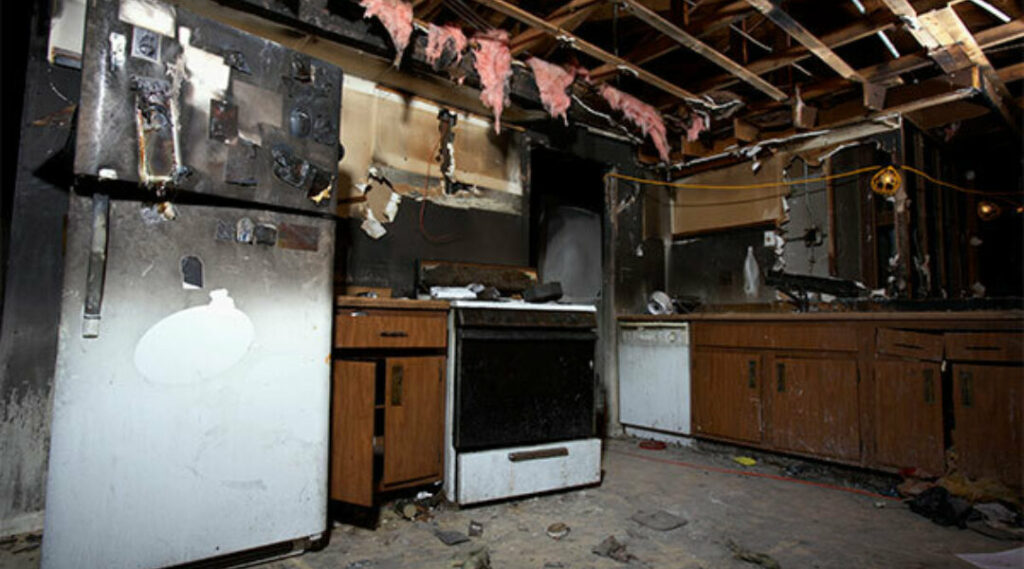
A fire can cause serious damage to a home or business in a very short time. Even after firefighters put out the flames, the property may still have smoke damage, soot stains, water damage, and strong odors. Many property owners feel stressed and confused after a fire because they do not know what happens next.
This is where professional fire damage restoration services become important. A restoration company follows a step-by-step process to clean, repair, and restore the property. Their goal is to make the building safe again and help owners return to normal life as quickly as possible.
If you have never gone through a restoration project before, you may wonder what to expect. Understanding the process can help you feel more prepared and confident during recovery.
Why Professional Fire Damage Restoration Matters
Many people think they can clean up fire damage themselves. While it may seem possible after a small fire, hidden damage often remains inside the property.
Fire creates more than burned materials. It also produces smoke particles and soot that spread throughout the building. Firefighting efforts often leave behind large amounts of water. These issues can damage walls, floors, furniture, electronics, and personal belongings.
Professional restoration experts have the training, tools, and experience needed to handle all types of fire damage safely. They know how to remove smoke odors, clean soot, dry wet materials, and repair damaged structures.
Hiring professionals can help save time, reduce stress, and prevent further damage.
Step 1: Emergency Contact and Fast Response
The restoration process usually begins with an emergency phone call.
Most fire damage restoration companies offer 24-hour emergency services because quick action can make a big difference. The longer soot, smoke, and water remain inside a property, the more damage they can cause.
When you call a restoration company, they will ask questions such as:
- When did the fire happen?
- How much of the property was affected?
- Has the fire department completed its work?
- Is the property safe to enter?
- Are there any urgent concerns?
Based on the information you provide, the company will send a restoration team to inspect the property.
Why Quick Action Is Important
Fast response helps:
- Reduce smoke damage
- Prevent soot from staining surfaces
- Limit water damage
- Lower the risk of mold growth
- Protect personal belongings
- Speed up recovery
Starting restoration quickly often saves both time and money.
Step 2: Inspection and Damage Assessment
After arriving at the property, the restoration team performs a complete inspection.
This step allows professionals to understand the full extent of the damage. They carefully examine every affected area and document their findings.
During the inspection, they check for:
- Fire damage
- Smoke damage
- Soot buildup
- Water damage
- Structural damage
- Safety hazards
The team takes photographs and creates detailed reports. This documentation helps both the property owner and the insurance company understand the damage.
Creating a Restoration Plan
After the inspection, restoration professionals develop a customized restoration plan.
The plan explains:
- What areas need cleaning
- What materials require replacement
- What equipment will be used
- How long the project may take
- What repairs are necessary
This plan serves as a guide throughout the restoration process.
Step 3: Securing the Property
Fire can weaken many parts of a building. Broken windows, damaged walls, and roof openings can expose the property to weather, animals, and trespassers.
Before restoration work begins, professionals secure the property.
Board-Up Services
Technicians cover broken windows and damaged doors with strong boards.
Board-up services help:
- Protect the interior
- Prevent vandalism
- Keep out animals
- Improve safety
Roof Tarping
If the roof has been damaged, restoration crews place heavy-duty tarps over the affected areas.
This temporary protection prevents rainwater from entering the building and causing additional damage.
Securing the property is an important step because it protects the structure while restoration work continues.
Step 4: Water Removal and Drying
Many people do not realize that water damage is often a major part of fire restoration.
Firefighters use large amounts of water to extinguish flames. As a result, floors, walls, carpets, and furniture may become soaked.
Water Extraction
The restoration team removes standing water using powerful pumps and extraction equipment.
Fast water removal helps prevent:
- Wood warping
- Structural weakening
- Mold growth
- Damage to flooring
- Damage to furniture
Drying and Dehumidification
After removing water, technicians use specialized drying equipment.
This equipment may include:
- Air movers
- Industrial fans
- Dehumidifiers
- Moisture meters
The drying process may take several days depending on the amount of water present.
Technicians regularly monitor moisture levels to ensure all affected materials dry completely.
Step 5: Smoke and Soot Removal
Smoke and soot often cause damage far beyond the area touched by flames.
Smoke can travel through hallways, air ducts, and small openings. Soot settles on surfaces throughout the property.
What Is Soot?
Soot is a black powder created during a fire. It contains tiny particles that can stain surfaces and damage materials.
If soot remains on surfaces too long, it can cause permanent damage.
It can affect:
- Walls
- Ceilings
- Floors
- Furniture
- Electronics
- Appliances
- Clothing
Professional Cleaning Methods
Restoration specialists use advanced cleaning techniques to remove soot safely.
Common methods include:
- HEPA vacuuming
- Dry sponge cleaning
- Wet cleaning
- Specialized chemical treatments
Different materials require different cleaning approaches. Professionals choose the safest method for each surface.
Removing soot quickly helps preserve valuable items and prevents long-term damage.
Step 6: Smoke Odor Removal
One of the biggest challenges after a fire is eliminating smoke odors.
Smoke particles can enter porous materials and become trapped inside:
- Carpets
- Curtains
- Furniture
- Drywall
- Insulation
- Wood surfaces
Air fresheners and household cleaners usually cannot remove these odors completely.
Professional Odor Removal Techniques
Restoration companies use advanced equipment to remove smoke odors at their source.
Common odor removal methods include:
Air Scrubbers
Air scrubbers filter smoke particles from indoor air.
They help improve indoor air quality and reduce odors.
Thermal Fogging
Thermal fogging creates a special mist that reaches areas where smoke particles have settled.
This process helps neutralize smoke odors deep inside materials.
Ozone Treatment
Ozone machines break apart odor-causing molecules.
This method can eliminate stubborn smoke smells that remain after cleaning.
Hydroxyl Generators
Hydroxyl technology removes odors while allowing workers to remain inside the building during treatment.
These methods help restore fresh and clean indoor air.
Step 7: Cleaning and Restoring Personal Belongings
Fire damage affects more than just the building itself. It can also impact valuable personal belongings.
Restoration professionals inspect items such as:
- Furniture
- Clothing
- Electronics
- Documents
- Photographs
- Artwork
- Kitchen items
Content Cleaning
Many belongings can be restored instead of replaced.
Professionals use special cleaning methods to remove soot, smoke, and odors.
Depending on the item, they may use:
- Dry cleaning
- Wet cleaning
- Ultrasonic cleaning
- Deodorization treatments
These techniques often save items that appear badly damaged at first glance.
Temporary Storage
During restoration, technicians may move belongings to a secure storage facility.
This protects them from dust, debris, and ongoing construction work.
Once restoration is complete, cleaned items are returned to the property.
Step 8: Structural Repairs and Reconstruction
After cleaning and drying are complete, restoration professionals begin repairing damaged areas.
The amount of repair work depends on how severe the fire was.
Minor Repairs
Small fires may require only basic repairs such as:
- Repainting walls
- Replacing flooring
- Repairing drywall
- Installing new trim
- Cleaning ceilings
These repairs help restore the appearance of the property.
Major Reconstruction
Severe fires may require extensive rebuilding.
This work can include:
- Replacing framing
- Rebuilding walls
- Installing new roofing
- Repairing electrical systems
- Repairing plumbing systems
- Reconstructing entire rooms
Professional contractors complete these repairs according to local building codes and safety standards.
The goal is to return the property to its pre-fire condition whenever possible.
Step 9: Mold Prevention
Water left behind after firefighting efforts creates ideal conditions for mold growth.
Mold can begin growing within one or two days if moisture remains trapped inside building materials.
Professional restoration teams work hard to prevent mold problems.
They may use:
- Moisture monitoring equipment
- Dehumidification systems
- Antimicrobial treatments
- Thorough drying procedures
Preventing mold protects both the property and the health of occupants.
Step 10: Final Inspection and Quality Check
Before completing the project, restoration professionals perform a final inspection.
This step ensures that every part of the restoration meets professional standards.
Technicians verify that:
- Repairs are complete
- Smoke odors are gone
- Surfaces are clean
- Moisture levels are normal
- Safety concerns are resolved
- Equipment has been removed
The property owner often participates in a final walkthrough.
During this inspection, the restoration team explains the completed work and answers any remaining questions.
Working With Insurance Companies
Most homeowners rely on insurance after a fire.
Many restoration companies help simplify the claims process.
They assist by:
- Documenting damage
- Providing repair estimates
- Creating detailed reports
- Communicating with adjusters
- Supporting claim paperwork
Good documentation helps insurance providers process claims more efficiently.
This support can reduce stress for property owners during recovery.
How Long Does Fire Damage Restoration Take?
Every fire restoration project is different.
Several factors affect the timeline, including:
- Property size
- Amount of fire damage
- Smoke contamination levels
- Water damage severity
- Structural repairs needed
- Insurance approval times
Small restoration projects may take only a few days.
Larger projects involving reconstruction can take several weeks or even months.
A professional restoration company will provide an estimated schedule and keep you informed throughout the project.
Benefits of Hiring Professional Fire Damage Restoration Services
Professional restoration services offer many advantages.
Improved Safety
Experts identify hidden dangers and ensure the property is safe for occupants.
Faster Recovery
Professional equipment and trained technicians speed up the restoration process.
Better Cleaning Results
Specialized cleaning methods remove smoke, soot, and odors more effectively than household products.
Reduced Secondary Damage
Quick action helps prevent mold growth, corrosion, and additional structural problems.
Insurance Assistance
Restoration professionals often help property owners navigate the insurance process.
Peace of Mind
Knowing experienced professionals are handling the recovery process allows property owners to focus on their families and daily responsibilities.
Tips for Homeowners During Fire Restoration
You can help the restoration process move smoothly by following a few simple tips:
- Stay in contact with your restoration company
- Keep insurance documents organized
- Follow safety instructions
- Avoid entering unsafe areas
- Save receipts for temporary living expenses
- Ask questions whenever you need clarification
- Document personal belongings when possible
Good communication helps prevent delays and keeps everyone informed.
Conclusion
A professional fire damage restoration project involves much more than cleaning up burned materials. The process includes emergency response, property inspection, securing the structure, water removal, smoke and soot cleanup, odor elimination, content restoration, structural repairs, mold prevention, and final inspections.
Each step plays an important role in restoring safety, comfort, and functionality to the property. While recovering from a fire can feel overwhelming, understanding what to expect makes the process easier to manage. Professional fire damage restoration experts use specialized equipment, proven techniques, and years of experience to guide property owners through every stage of recovery.