
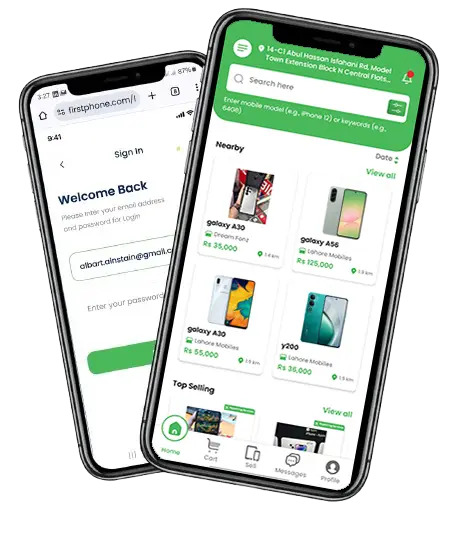
Pakistan is undergoing an unprecedented shift from a cash-heavy economy to a digital-first ecosystem. Driven by high smartphone penetration, an expanding young demographic, and proactive central bank policies, mobile devices have become the primary gateway for day-to-day payments. E-money institutions (EMIs), mobile wallet providers, and traditional commercial banks now process billions of rupees in transactions daily. Secure mobile transactions Pakistan
However, as digital adoption grows, maintaining robust security protocols across mobile transaction networks has become paramount. Building and sustaining consumer trust requires an integrated defense strategy that pairs state-of-the-art financial infrastructure with proactive user safety measures.
1. Pillars of Pakistan’s Mobile Payment Security Framework
The foundation of secure mobile payments in Pakistan relies on regulatory oversight, centralized verification architecture, and advanced cryptographic standards.
┌────────────────────────────────────────────────────────────────────────┐
│                   State Bank of Pakistan (SBP)                         │
│                    Regulatory Supervision & EMIs                        │
└───────────────────────────────────┬────────────────────────────────────┘
                                    │
                                    ▼
┌────────────────────────────────────────────────────────────────────────┐
│                  NADRA Biometric Identity Engine                       │
│                     e-KYC & Biometric Verification                     │
└───────────────────────────────────┬────────────────────────────────────┘
                                    │
            ┌───────────────────────┴───────────────────────┐
            ▼                                               ▼
┌──────────────────────┐                        ┌──────────────────────┐
│  Raast Instant Net   │                        │ Mobile Wallets & EMIs│
│ ISO 20022 Protocols  │                        │ 2FA, HSMs & Token    │
└──────────────────────┘                        └──────────────────────┘
Biometric Identity and e-KYC
Pakistan stands out globally for integrating national identity systems into financial services. The State Bank of Pakistan (SBP) works closely with the National Database and Registration Authority (NADRA) to mandate digital Know-Your-Customer (e-KYC) processes. Opening a mobile wallet account or conducting high-value transfers often requires real-time fingerprint or facial verification linked directly to a user’s Computerized National Identity Card (CNIC). This integration significantly deters identity theft and limits the creation of fraudulent accounts.
The Raast Payment Infrastructure
Developed by the SBP, Raast is Pakistan’s instant payment system. Built on international messaging standards (ISO 20022), Raast provides end-to-end encryption for peer-to-peer (P2P), person-to-merchant (P2M), and government-to-person (G2P) payments. By eliminating intermediaries and routing transfers directly through bank-grade central channels, Raast minimizes exposure points where transaction data could be intercepted.
Multi-Factor Authentication (MFA)
Regulatory directives mandate that mobile banking apps and digital wallets (such as JazzCash, Easypaisa, Nayapay, and Sadapay) enforce multi-factor authentication. A typical transaction requires a combination of:
- Knowledge factor: Personal Identification Number (PIN) or password.
- Possession factor: One-Time Password (OTP) sent via secure SMS or generated in-app.
- Inherence factor: Biometric access (fingerprint or face identification) stored within hardware-level enclaves on modern smartphones.
2. Common Security Threat Vectors
Despite robust infrastructure, cybercriminals frequently target the weakest link in any transaction chain: the human user. https://firstphone.pk
| Attack Vector | Mechanism | Target Audience | Primary Defense |
| Social Engineering / Vishing | Scammers impersonate bank staff, military officers, or lottery representatives to extract OTPs/PINs. | General public, rural digital entrants | User education, zero-trust behavior. |
| SIM Swapping | Fraudsters trick telecom providers into issuing a duplicate SIM card to intercept OTPs. | High-net-worth mobile account holders | Telecom-bank API syncs for SIM-change detection. |
| Malware & Overlay Attacks | Malicious apps capture keystrokes or place transparent login overlays on mobile wallets. | Android smartphone users downloading third-party APKs | App-sandboxing, rooted device detection, official store downloads. |
| Phishing Links | Fake SMS or WhatsApp messages directing users to spoofed banking portals. | E-commerce shoppers, utility bill payers | Domain monitoring, anti-phishing filters, domain verification. |
3. Best Practices for Users to Secure Mobile Payments
To maintain control over financial security, mobile wallet users should follow essential digital hygiene practices:
- Never Share OTPs or PINs: Financial institutions and telecom operators will never request an OTP, PIN, or password over the phone, via SMS, or through social media.
- Enable Device-Level and App-Level Security: Set up biometrics or a strong passcode to unlock the smartphone, and enforce secondary biometric prompts inside financial applications.
- Download Apps from Official Stores Only: Install mobile banking apps exclusively through the Google Play Store or Apple App Store to avoid modified or malicious applications.
- Inspect QR Codes Before Scanning: Verify that physical QR code stickers at merchant checkouts have not been tampered with or covered by an attacker’s printed code.
- Set Up Real-Time Transaction Alerts: Ensure SMS and push notifications are active to monitor all account debits and credits instantly.
4. The Path Ahead
Pakistan’s transition toward a cashless economy depends on balancing transaction speed with digital defense systems. As financial service providers deploy artificial intelligence and machine learning models for real-time fraud monitoring, and as the SBP updates its cybersecurity guidelines, mobile transactions are becoming increasingly secure. Through strong collaboration between regulators, fintech developers, and alert users, Pakistan is building a safe and inclusive digital financial future.