
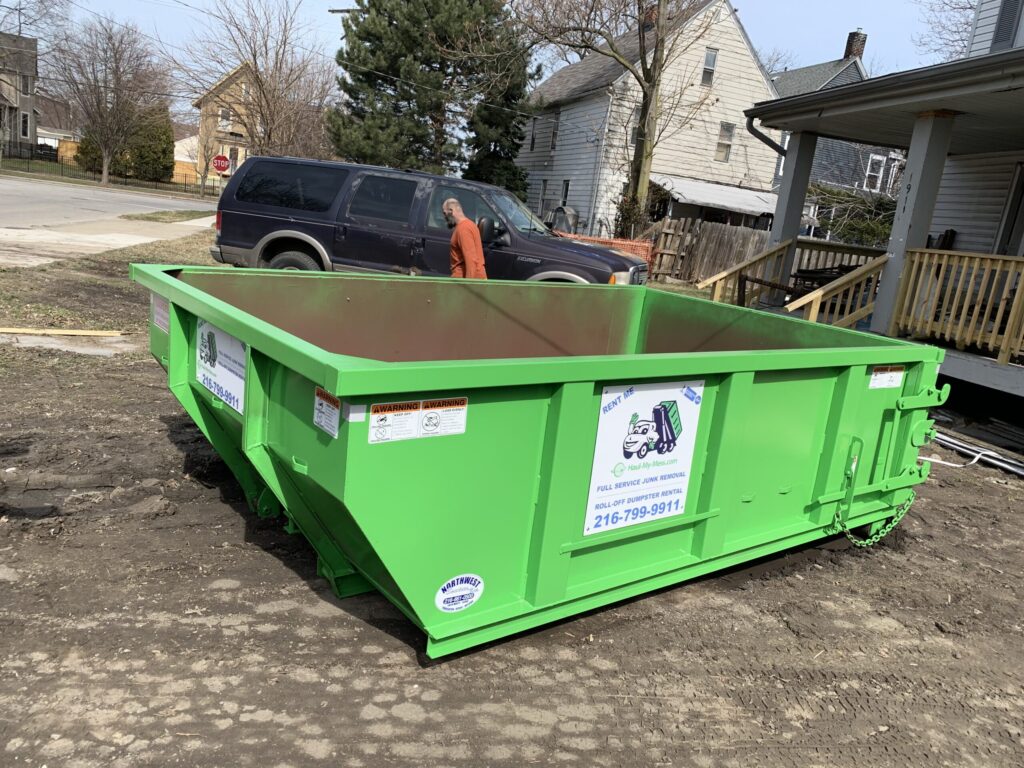
When a renovation, cleanup, or construction project starts producing more waste than your regular trash service can handle, a roll off dumpster can make the entire process easier. Unlike small residential containers, roll off dumpsters are designed for large volumes of debris and can accommodate everything from old flooring to roofing materials.
Choosing the right container, however, requires more than picking the biggest option available. If you are researching roll off dumpster rental near Beachwood Ohio, understanding dumpster sizes, acceptable materials, placement requirements, rental periods, and potential additional charges can help you plan the project more efficiently.
Whether you are remodeling a kitchen, cleaning out an estate, replacing a roof, or managing construction debris, the right dumpster can reduce trips to a disposal facility and keep the work area organized. A little planning before delivery can also prevent unexpected problems.
What Is a Roll Off Dumpster?
A roll off dumpster is a large, open-top waste container transported by a specialized truck. It typically has wheels or rollers that allow the container to be moved on and off the delivery vehicle.
These dumpsters are especially useful for projects that generate bulky or heavy debris. Common applications include home renovations, demolition work, roofing projects, landscaping, commercial cleanouts, and construction jobs.
Unlike traditional trash bins, roll off containers generally come in several sizes. The most appropriate size depends on both the amount and type of waste your project will produce.
For example, a small bathroom renovation may only require a relatively compact container, while a whole-house cleanout could need considerably more capacity.
How to Choose the Right Dumpster
Selecting the right container involves evaluating several factors instead of estimating based solely on appearance.
1. Estimate the Amount of Debris
Start by making a list of everything you expect to discard. Consider furniture, drywall, wood, flooring, cabinets, roofing materials, packaging, and other project waste.
It is usually better to allow some extra capacity. Filling a container beyond its safe limit can create transportation and disposal problems.
A useful approach is to estimate your debris volume and then choose the next practical dumpster size if you are uncertain. Projects rarely produce waste with perfect accuracy.
2. Consider the Material
The type of waste matters because different materials have different weights and disposal requirements.
Construction materials such as concrete, brick, soil, and roofing shingles can become extremely heavy. A dumpster may have plenty of physical space remaining but still reach its allowable weight limit.
Lightweight household debris, furniture, and general renovation waste generally create fewer weight concerns.
If your project involves heavy materials, ask about weight limits before ordering the container.
3. Select an Appropriate Size
Roll off dumpsters commonly range from smaller containers suitable for limited cleanouts to large containers designed for major construction projects.
A 10-yard container may work well for a small cleanup or bathroom project. A 20-yard option can be suitable for medium-sized renovations, while larger 30- or 40-yard containers are often used for substantial remodeling and construction work.
The exact size you need depends on the materials, available space, and project scope.
Step-by-Step Roll Off Dumpster Rental Strategy
A simple planning process can make dumpster rental much easier.
Step 1: Define the Project
Determine whether you are handling a home cleanout, remodeling project, demolition, roofing replacement, landscaping job, or construction project.
Each project produces different types and quantities of waste.
Step 2: Separate Restricted Materials
Before placing an order, identify materials that may require special disposal procedures. Hazardous chemicals, certain electronics, batteries, tires, paints, and other restricted items may not be permitted in standard dumpsters.
Never assume that something can be thrown away simply because it fits inside the container.
Step 3: Measure the Placement Area
A roll off dumpster needs adequate space for delivery and pickup. The truck may also require additional clearance to safely position the container.
Measure the intended location and consider overhead obstacles such as tree branches, utility lines, and structures.
A driveway is often convenient, but make sure it can accommodate the container and delivery vehicle.
Step 4: Confirm Rental Terms
Ask about the rental period, included weight allowance, additional tonnage charges, delivery fees, pickup fees, and extension costs.
Understanding these details beforehand makes the total cost easier to estimate.
Step 5: Load the Dumpster Correctly
Distribute heavy materials across the bottom instead of concentrating them in one area. Keep debris below the container’s designated fill line.
Do not allow materials to stick out from the top or sides. Overloaded containers may create safety concerns and may not be legally transportable.
Common Mistakes to Avoid
One of the most common mistakes is choosing a dumpster based only on price. A cheaper container may become more expensive if it is too small and requires an additional rental.
Another mistake is underestimating heavy debris. A container filled with concrete or roofing material can reach its weight limit much sooner than one filled with furniture or household junk.
Poor placement can also cause problems. Putting a dumpster on a narrow driveway, soft ground, or an area with low branches may make delivery difficult.
People sometimes forget to check local requirements as well. Depending on the location, placing a dumpster on a public street may require a permit or additional precautions.
Practical Tips for a Smoother Rental
Plan delivery around the project schedule. Having the dumpster arrive too early can occupy valuable space, while receiving it too late can interrupt work.
Break down bulky items. Disassembling furniture and flattening suitable materials can help maximize available space.
Keep prohibited materials separate. Set aside anything that may require specialized disposal before loading the container.
Protect the placement surface. If you are concerned about driveway damage, discuss protective measures with the rental provider and consider the condition of the surface before delivery.
Avoid overfilling. The debris should remain safely below the top edge. This helps prevent materials from falling during transportation.
Track your waste as the project progresses. If you notice that the dumpster is filling faster than expected, addressing the issue early is easier than waiting until the container is completely full.
Conclusion
A roll off dumpster can simplify major cleanups, renovations, demolition projects, and construction work by providing a convenient central location for debris. The key is choosing a suitable size, understanding weight and material restrictions, preparing an accessible placement area, and reviewing rental terms before delivery.
Rather than focusing solely on container price, evaluate the entire project. Consider how much waste you will generate, what materials you will dispose of, how long the work will take, and whether the site can safely accommodate the dumpster.
With proper planning and responsible loading, a roll off dumpster can keep your project cleaner, safer, and more efficient from the first day of work through final cleanup.