
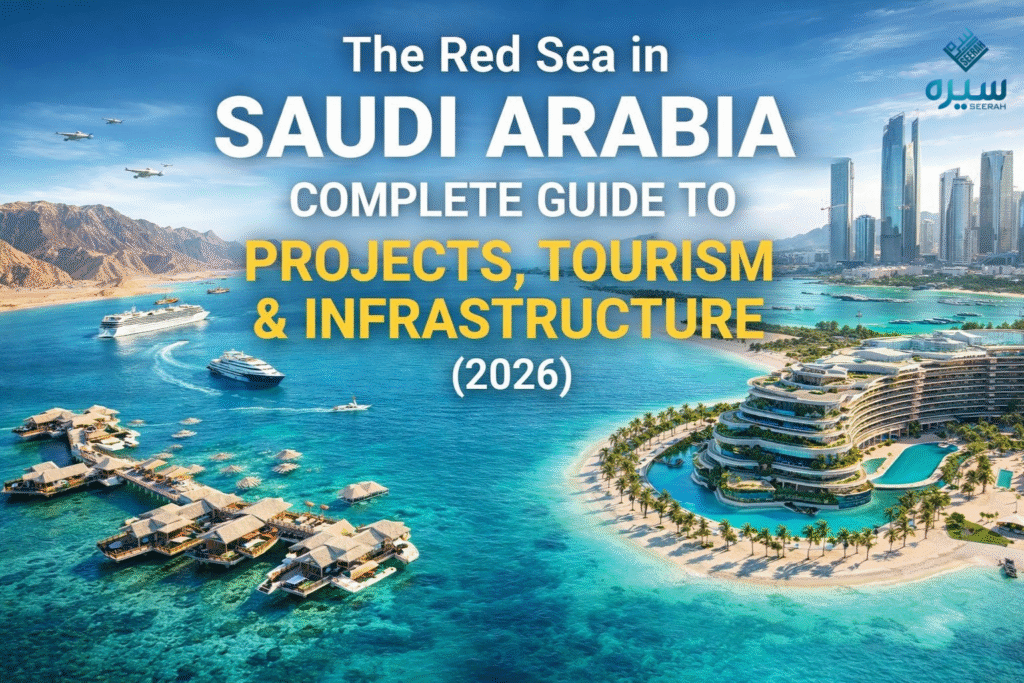
The Red Sea is widely recognized as one of the most extraordinary marine environments on Earth. Stretching between the Arabian Peninsula and northeastern Africa, this remarkable body of water is home to stunning coral reefs, diverse marine species, and coastal ecosystems that support both nature and human communities.
Beyond its natural beauty, the Red Sea plays a critical role in environmental sustainability, scientific research, tourism, and economic development. As global attention increasingly focuses on climate change and ecosystem preservation, the Red Sea has emerged as a model for balancing conservation with responsible growth.
Today, governments, researchers, environmental organizations, and tourism developers are working together to ensure that the Red Sea remains one of the world’s most protected and sustainable marine destinations.
The Natural Beauty of the Red Sea
The Red Sea covers approximately 438,000 square kilometers and is considered one of the most biologically rich marine environments in the world. Its warm, clear waters provide ideal conditions for coral reefs and thousands of marine species.
Unlike many coastal regions facing severe environmental pressures, large portions of the Red Sea remain relatively untouched. This has allowed marine ecosystems to thrive while providing visitors with some of the most spectacular underwater experiences available anywhere on the planet.
From colorful coral gardens to pristine beaches and secluded islands, the Red Sea offers natural attractions that continue to captivate travelers, scientists, and photographers alike.
Why the Red Sea Is Important for Global Biodiversity
Biodiversity refers to the variety of living organisms within a particular ecosystem, and the Red Sea is one of the richest biodiversity hotspots on Earth.
The region supports:
- More than 1,200 species of fish
- Hundreds of coral species
- Sea turtles
- Dolphins
- Dugongs
- Whale sharks
- Mangrove forests
- Seabirds and migratory birds
Many species found in the Red Sea are endemic, meaning they exist nowhere else in the world. This uniqueness makes conservation efforts especially important.
Healthy biodiversity strengthens ecosystems, improves resilience to environmental changes, and supports industries such as tourism and fisheries.
Coral Reefs: The Heart of the Red Sea
Coral reefs are among the most valuable natural resources found in the Red Sea. Often called the “rainforests of the sea,” coral reefs provide shelter, food, and breeding grounds for countless marine organisms.
The Red Sea’s coral systems are particularly significant because scientists have discovered that some reefs demonstrate remarkable tolerance to higher water temperatures.
As climate change threatens coral reefs worldwide, researchers study the Red Sea to better understand how certain coral species adapt and survive.
These findings may contribute to global conservation strategies aimed at protecting vulnerable marine ecosystems around the world.
The Role of Mangroves and Coastal Habitats
While coral reefs often receive the most attention, mangroves and coastal habitats are equally important components of the Red Sea ecosystem.
Mangrove forests:
- Protect coastlines from erosion
- Improve water quality
- Absorb carbon dioxide
- Provide nursery habitats for fish
- Support bird populations
These natural barriers help maintain ecological balance while protecting coastal communities from environmental threats.
Conservation programs increasingly recognize the importance of preserving these habitats alongside coral reef ecosystems.
Sustainable Tourism in the Red Sea
Tourism continues to grow throughout the Red Sea region, attracting visitors seeking natural beauty, adventure, and relaxation.
However, sustainable tourism practices are essential to preserving the area’s fragile ecosystems.
Responsible tourism initiatives focus on:
Eco-Friendly Resorts
Modern developments are designed to minimize environmental impact while delivering exceptional guest experiences.
Marine Conservation Programs
Tour operators educate visitors about marine ecosystems and encourage environmentally responsible behavior.
Protected Areas
Marine reserves and conservation zones help preserve sensitive habitats from excessive human activity.
Waste Reduction
Sustainable tourism projects implement recycling programs and environmentally friendly waste management systems.
These efforts demonstrate that tourism can support both economic growth and environmental protection when managed responsibly.
Scientific Research and Environmental Innovation
The Red Sea serves as a living laboratory for marine scientists from around the world.
Researchers study topics such as:
- Coral reef resilience
- Climate adaptation
- Marine biodiversity
- Ocean chemistry
- Coastal ecosystem management
- Renewable energy integration
Universities and research institutions continue to invest in studies that help improve understanding of marine environments.
Scientific discoveries from the Red Sea may provide solutions to environmental challenges affecting oceans globally.
Climate Change and the Red Sea
Climate change represents one of the greatest challenges facing marine ecosystems worldwide.
Rising sea temperatures, ocean acidification, and extreme weather events threaten biodiversity in many regions. Fortunately, portions of the Red Sea KSA have demonstrated remarkable resilience compared to other coral reef systems.
Scientists believe that understanding these natural adaptations could help guide future conservation efforts.
Continued monitoring and environmental management remain essential for protecting these valuable ecosystems from future threats.
Economic Benefits of Conservation
Environmental protection and economic growth are often viewed as competing priorities. In the Red Sea region, however, conservation is increasingly recognized as an economic advantage.
Healthy marine ecosystems support:
- Tourism revenue
- Employment opportunities
- Sustainable fisheries
- Scientific research investments
- International partnerships
Protecting natural resources helps ensure long-term economic sustainability while maintaining the region’s attractiveness to visitors and investors.
This approach demonstrates how environmental stewardship can contribute directly to economic success.
Community Involvement in Conservation
Local communities play a vital role in preserving the Red Sea’s natural heritage.
Community-based initiatives often include:
- Environmental education programs
- Beach cleanup campaigns
- Sustainable fishing practices
- Wildlife monitoring efforts
- Conservation awareness activities
By involving residents in environmental protection efforts, stakeholders can create stronger and more effective conservation outcomes.
Community participation also helps build long-term support for sustainability initiatives.
The Future of the Red Sea
The future of the Red Sea depends on maintaining a balance between development and conservation.
As tourism, investment, and infrastructure projects continue to expand, decision-makers face the challenge of protecting natural resources while supporting economic growth.
Fortunately, many new developments are embracing sustainability principles from the outset. This forward-thinking approach positions the Red Sea as a global leader in responsible development.
By prioritizing environmental protection, innovation, and community engagement, the region can continue to thrive while preserving its unique ecosystems.
Why the Red Sea Matters to the World
The importance of the Red Sea extends far beyond its geographic boundaries.
Its ecosystems provide valuable scientific insights, support biodiversity, contribute to economic development, and inspire global conservation efforts. As environmental challenges become increasingly complex, the lessons learned from the Red Sea may help guide sustainable development strategies worldwide.
The region stands as a powerful example of how nature and progress can coexist when managed responsibly.
Conclusion
The Red Sea Saudi Arabia is much more than a beautiful destination. It is one of the world’s most important marine ecosystems, supporting biodiversity, scientific research, sustainable tourism, and economic opportunity.
Its coral reefs, mangrove forests, and marine habitats represent invaluable natural assets that deserve ongoing protection and investment.
As conservation efforts continue and sustainable development expands, the Red Sea is positioned to become a global model for environmental stewardship and responsible growth. Protecting this extraordinary ecosystem today will ensure that future generations can continue to benefit from its beauty, resources, and ecological importance for decades to come.