
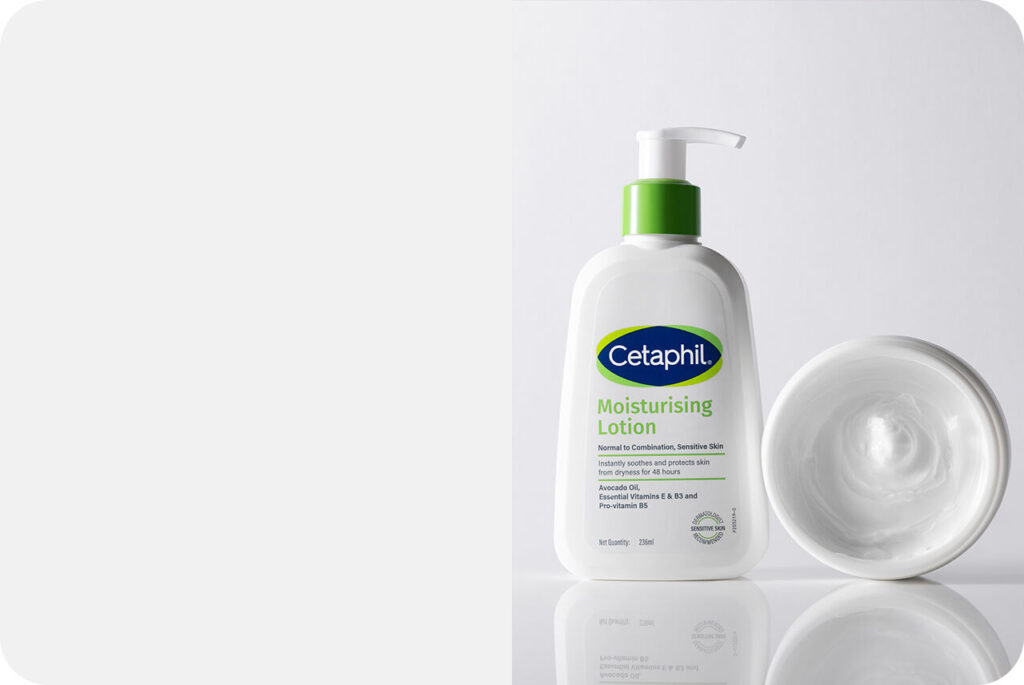
Living in India means facing heat, AC, pollution, and hard water, all of which strip moisture from your skin daily. Tightness by midday, flaky patches in winter, and dullness after long commutes are signs your barrier needs water, not just oil. That is where a hyaluronic acid moisturizer fits perfectly into a simple, effective routine.
What Does Hyaluronic Acid Actually Do?
Hyaluronic acid is a humectant naturally found in skin that can hold up to 1000 times its weight in water. It pulls moisture from the environment and deeper skin layers to the surface, creating instant plumpness and bounce. Unlike heavy creams that sit on top, a well-formulated hyaluronic acid moisturizer delivers water-based hydration that feels light, making it ideal for humid summers in cities like Meerut or dry, air-conditioned offices.
Why Choose a Hyaluronic Acid Moisturizer Over Regular Cream?
Traditional creams often rely on occlusives alone, which can feel greasy on oily or combination Indian skin. A hyaluronic acid moisturizer works differently by replenishing water first, then sealing it in with barrier-supporting ingredients. This balance reduces tightness without clogging pores, helps makeup sit smoothly, and prevents that stretched feeling after cleansing. It suits all ages, from teens dealing with acne treatments to adults noticing early fine lines around the eyes.
The Cetaphil Approach to Gentle Hydration
Cetaphil has formulated for sensitive skin for over 75 years, focusing on minimal fragrance and proven tolerability. The brand combines hyaluronic acid with skin-friendly emollients and niacinamide in its hydrating range, so you get lasting moisture without irritation. A Cetaphil hyaluronic acid moisturizer absorbs quickly, respects the natural pH, and layers well under sunscreen in the morning or retinoids at night. It is tested for sensitive skin, non-comedogenic, and free from harsh additives, which is why dermatologists in India often recommend Cetaphil for daily hydration.
How to Use It for Maximum Results
Apply on slightly damp skin right after cleansing, when water is still on the surface. Take a pea-sized amount for the face and a little more for neck, gently press rather than rub. Follow with Cetaphil sunscreen during the day. At night, you can layer the same hyaluronic acid moisturizer after serums to lock in actives. In very dry months, seal with a thin layer of a richer cream only on cheeks.
Building a Routine That Lasts
Consistency beats complicated steps. Morning: Cetaphil Gentle Skin Cleanser, hyaluronic acid moisturizer, sunscreen. Evening: cleanse, treat if needed, then moisturize again. Within two weeks, most people notice softer texture, reduced flaking, and a natural glow that does not come from oil. This hydration-first approach also helps fade post-acne marks faster because well-hydrated skin heals more efficiently. Because hydration supports barrier repair, you will also see less redness and better tolerance to pollution and temperature swings.
Common Mistakes to Avoid
Applying on bone-dry skin, using too much product, or skipping sunscreen can undo the benefits. Hyaluronic acid needs water to bind to, so always mist or pat skin damp first. Also avoid layering with strong scrubs at the same time, which can irritate a freshly hydrated barrier.
FAQs
1. Do I need a hyaluronic acid moisturizer in humid Indian summers?
Yes. Humidity does not equal hydration. AC, sweat, and frequent face washing still dehydrate the skin. A lightweight formula adds water without heaviness.
2. Can oily and acne-prone skin use Cetaphil hydration products?
Absolutely. Cetaphil formulas are non-comedogenic and fast-absorbing, so they hydrate without adding shine or clogging pores.
3. When should I apply it in my routine?
Always after cleansing and any watery serums, before sunscreen in the morning and before heavier creams at night.
4. Will it replace my heavy winter cream?
For most combination and oily skin types, yes. For very dry skin, use it as the hydration base and add a richer Cetaphil cream only on dry zones.
5. Is Cetaphil suitable for sensitive skin?
Yes. Cetaphil is dermatologist-tested, fragrance-minimal, and designed specifically for reactive skin, making daily use safe and comfortable.