
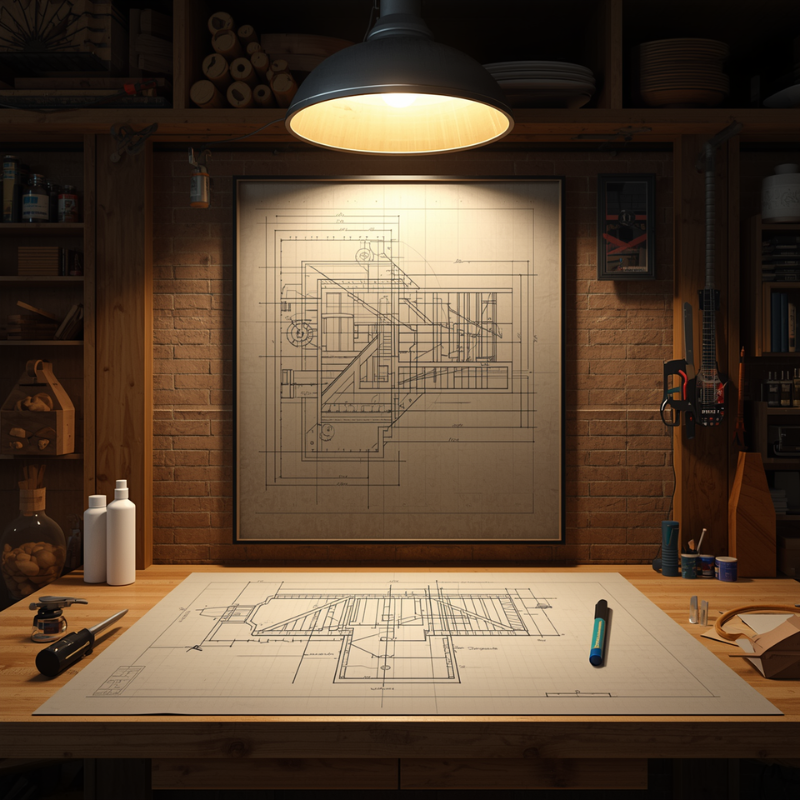
In commercial and residential construction projects, even a small measurement mistake can lead to expensive delays, material waste, rework, and conflicts between contractors. That is why millwork shop drawings have become a critical part of modern construction workflows. From custom cabinetry and reception desks to wall paneling and architectural woodwork, every fabricated component must fit perfectly within the project environment.
Millwork shop drawings help eliminate confusion before fabrication and installation begin. They provide detailed visual instructions that guide architects, contractors, fabricators, and installers throughout the project lifecycle.
At Infallible Studio, accurate millwork drafting and coordination play a major role in reducing construction errors, improving communication, and ensuring smoother project execution.
What Are Millwork Shop Drawings?
Millwork shop drawings are highly detailed technical drawings created for custom woodwork and architectural millwork fabrication. These drawings translate architectural concepts into production-ready documentation.
They typically include:
- Detailed plans, elevations, and sections
- Material specifications
- Joinery details
- Hardware information
- Dimensions and tolerances
- Fabrication instructions
- Installation references
- Finish specifications
- Coordination with MEP and architectural systems
Unlike conceptual architectural drawings, shop drawings focus on buildability and fabrication accuracy.
Why Construction Errors Happen in Millwork Projects
Construction errors usually occur when there is a gap between design intent and actual site execution. Millwork involves precise measurements and coordination with multiple building systems, making it highly vulnerable to mistakes.
Common causes include:
Incomplete Architectural Drawings
Architectural drawings often provide design intent but may not include fabrication-level details required for production.
Miscommunication Between Teams
Architects, fabricators, contractors, and installers may interpret drawings differently without clear documentation.
Incorrect Site Measurements
Even minor dimension inconsistencies can cause cabinets, counters, or wall panels to misalign during installation.
Lack of Coordination
Millwork must align with electrical systems, plumbing fixtures, HVAC layouts, lighting, and structural elements.
Design Changes During Construction
Untracked revisions can create fabrication errors and costly rework.
How Millwork Shop Drawings Reduce Costly Construction Errors
1. Improve Dimensional Accuracy
Millwork shop drawings provide precise dimensions for every component before fabrication starts. This minimizes the risk of manufacturing incorrect parts.
Accurate dimensions help ensure:
- Proper fit during installation
- Alignment with walls and ceilings
- Correct spacing for appliances and fixtures
- Reduced on-site adjustments
Precise documentation prevents expensive material waste and fabrication delays.
2. Detect Design Conflicts Early
One of the biggest advantages of shop drawings is clash detection. Detailed coordination allows teams to identify conflicts before construction begins.
Examples include:
- Cabinet doors colliding with adjacent walls
- HVAC ducts interfering with ceiling millwork
- Electrical outlets placed incorrectly
- Plumbing conflicts inside vanities
Resolving these issues during the drafting phase is far less expensive than correcting them during installation.
3. Reduce Rework and Material Waste
Fabrication errors often result in discarded materials, additional labor, and schedule overruns. Shop drawings minimize these risks by ensuring every detail is reviewed and approved before production.
Benefits include:
- Fewer fabrication mistakes
- Lower material wastage
- Reduced labor costs
- Faster installation timelines
This improves overall project profitability and efficiency.
Better Communication Between Project Teams
Construction projects involve multiple stakeholders. Millwork shop drawings act as a common visual language that improves coordination among all parties.
Architects
Architects can verify whether the design intent is maintained.
Contractors
General contractors can coordinate sequencing and installation logistics.
Fabricators
Fabricators receive exact production specifications.
Installers
Installers gain clear guidance for field execution.
This collaborative workflow significantly reduces misunderstandings and change orders.
Support for Accurate Fabrication
Modern millwork fabrication relies heavily on precision manufacturing equipment such as CNC machinery. Detailed shop drawings provide the exact information required for automated production.
This includes:
- Panel dimensions
- Edge treatments
- Joinery specifications
- Hardware placements
- Material thicknesses
Accurate digital drafting ensures higher production consistency and quality control.
Minimize On-Site Delays
Construction schedules are tightly managed, especially in commercial projects. Errors in millwork installation can disrupt multiple trades and delay occupancy timelines.
Shop drawings help avoid delays by:
- Confirming dimensions before fabrication
- Coordinating installation sequencing
- Reducing field modifications
- Preventing approval confusion
Efficient documentation leads to smoother site operations and faster project completion.
Improve Quality Control
Detailed millwork drawings create a standardized reference for inspections and approvals. Every stakeholder can review the same documentation throughout the project.
This improves:
- Fabrication consistency
- Installation quality
- Compliance with project specifications
- Finish accuracy
Quality assurance becomes easier when all details are clearly documented.
Reduce Expensive Change Orders
Change orders are one of the biggest sources of unexpected construction costs. Many occur because of missing details or coordination failures.
Millwork shop drawings reduce change orders by:
- Clarifying design intent early
- Documenting approved revisions
- Coordinating all systems before fabrication
- Identifying practical construction limitations
Early problem-solving saves both time and money.
Importance of 3D Millwork Modeling
Modern drafting services often include 3D millwork visualization and BIM coordination. Three-dimensional modeling provides better clarity for complex millwork systems.
Benefits include:
- Improved spatial understanding
- Easier client approvals
- Enhanced clash detection
- Better installation planning
3D coordination further minimizes construction risks and improves project confidence.
Industries That Benefit From Millwork Shop Drawings
Millwork shop drawings are essential across multiple sectors:
Commercial Projects
- Offices
- Retail stores
- Hotels
- Restaurants
- Healthcare facilities
Residential Projects
- Luxury homes
- Custom kitchens
- Wardrobes
- Entertainment units
Institutional Projects
- Schools
- Universities
- Libraries
- Government buildings
Every project requiring custom woodwork benefits from accurate drafting and coordination.
Key Elements Included in Professional Millwork Shop Drawings
Professional shop drawings generally contain:
- Floor plans
- Elevations
- Sections
- Isometric views
- Joinery details
- Material schedules
- Hardware schedules
- Finish specifications
- Installation instructions
- Coordination notes
Comprehensive documentation ensures fabrication accuracy and construction efficiency.
Why Professional Millwork Drafting Services Matter
Experienced drafting professionals understand architectural standards, fabrication processes, and construction coordination requirements.
Professional millwork drafting services help:
- Improve build accuracy
- Reduce RFIs and change orders
- Speed up approvals
- Ensure code compliance
- Streamline fabrication workflows
At Infallible Studio, detailed millwork shop drawings are developed with precision, coordination, and real-world constructability in mind to help clients avoid costly project errors.
Final Thoughts
Construction errors can quickly increase project costs, delay schedules, and impact overall quality. Millwork shop drawings play a vital role in minimizing these risks by providing accurate, coordinated, and fabrication-ready documentation.
From dimensional precision and clash detection to smoother installation and reduced rework, professional millwork drafting creates a more efficient construction process from start to finish.
For architects, contractors, fabricators, and developers, investing in high-quality millwork shop drawings is not just a technical requirement — it is a strategic decision that protects budgets, timelines, and project quality.