
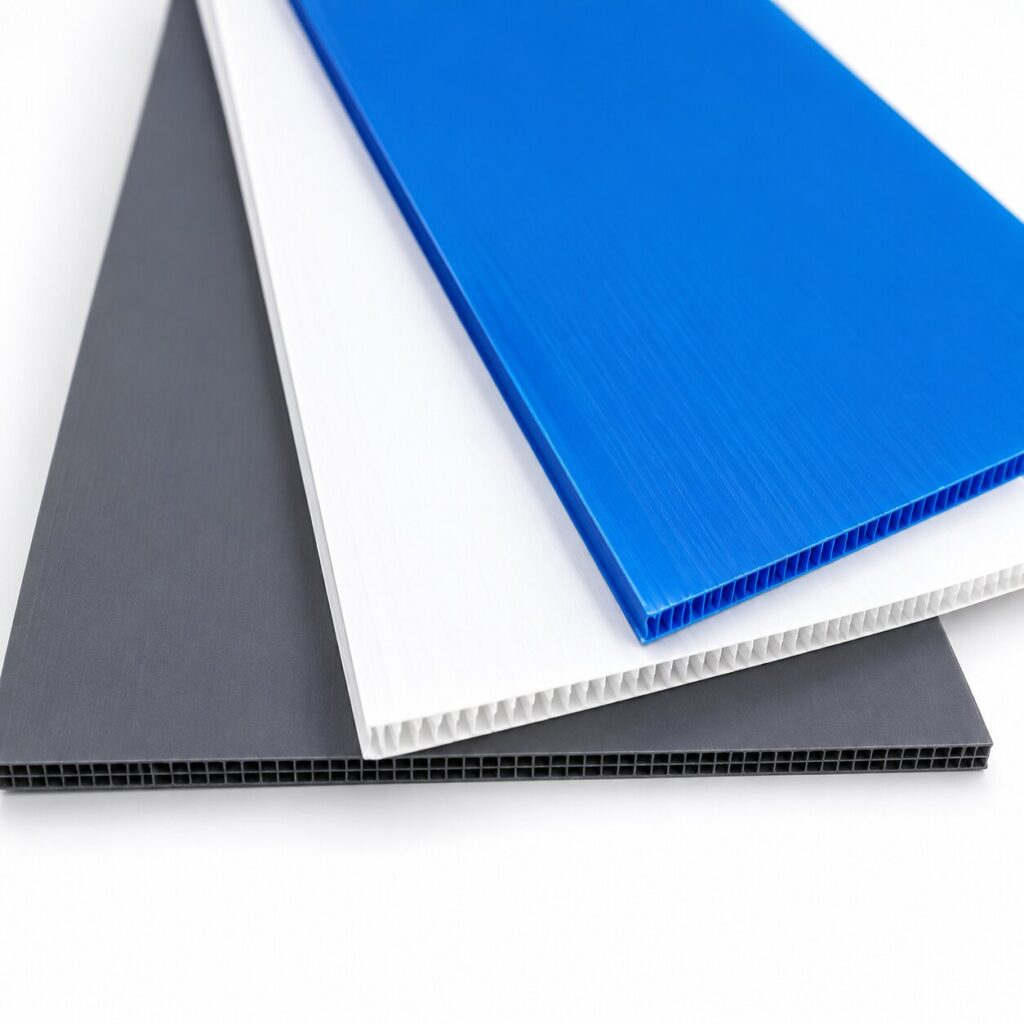
High-traffic areas are always on the move, under heavy loads and daily wear. But constant foot traffic and equipment movement can quickly damage floors. Therefore, it is very important to protect these surfaces. Floor Protection Sheets are a practical and reliable way to keep floors safe and durable in high-traffic areas.
These sheets form a strong protective layer on the floor surface. While they are scratch, impact, dirt, and moisture resistant and help to prolong the life of the floor. As a result, floor protection sheets have become popular in homes, offices, commercial buildings, and industrial spaces.
Floor Protection Sheets for High-Traffic Areas—Protect Your Floors Now
Maybe you see scratches around the front door, or your home office carpet looks flattened and stained. Many homeowners accept this damage as a fact of life. But you can put an end to this all. The solution is simple and inexpensive: floor protection sheets. So, this guide will tell you everything you need to know. We will specifically cover what these sheets are, why they are needed in high-traffic areas, how to choose the right type, and where to place them for maximum effect.
Why High Traffic Areas Need Special Attention
You might think a hallway is a hallway. But there are five different types of damage in high-traffic areas. Being aware of these problems will help you understand the importance of protection sheets better.
Chafing from Constant Foot Movement
Dirt and grit grind on your floor with each step. This abrasion wears away the protective finish on hardwood and tiles over time. Carpets get matted and look flat and dull. Therefore, protection sheets take the abuse, not your floor. As a result, the sheet surface might be worn, but you just replace it. And your floor stays clean underneath it.
Wet Shoes and Boots Wetness
Moisture is a constant problem near entrances due to rain, snow, and mud. Water seeps into the seams of the hardwood and causes it to swell or curl. Also, it soaks into the padding of the carpet and creates a foul odor. Vinyl floors are slippery and potentially dangerous. Floor Sheets are of high quality with waterproof top layers. This causes water to sit on the surface of the sheet, and you can easily wipe it away. None of them ever makes it to your real floor.
Damage Caused by Dropped Objects
Also, more dropped items are in high-traffic areas. Busy areas have frequent falling keys, phones, toys, and tools. A dropped phone can ding hardwood. Hence, a dropped tool can crack a tile. Impact energy absorption. Protection sheets, especially rubber or fiberboard types. They absorb the impact and help prevent dents, cracks, and chips.
Stains from Spills and Grime
Coffee, juice, mud, and tracked-in soil are permanent stains. If a stain has set it on a carpet and unsealed wood, you’ll never be able to get it out completely. Protection sheets are a sacrificial layer. Spills stay put on the piece of paper, not on your floor. Furthermore, you wash the sheet and throw it away. Either way, the ground stays clean.
Sunlight UV Fading
In high-traffic areas large doors and windows with glass are often found. The light flows in and slowly bleaches your flooring. Hardwood is uneven in lightning and darkening. The carpet has spots of bleached color. Some protection sheets contain UV inhibitors. So, these sheets are transparent, but they block out the bad rays. Keeps your floor the original shade for years longer.
Proper Installation of Floor Protection Sheets – Step-by-Step
Protection sheets are quick to erect. Moreover, if you follow these methods carefully, your floor will stay safe.
Wash the Finished Floor First
Vacuum or sweep thoroughly. Remove all particles of dirt, sand, or grit. Or you get stuff caught under the sheet. And then that stuff scratches your floor when you walk on it. While starting, use a clean surface.
Roll Your First Sheet Out
Roll up the sheet towards the door. Also, overlap each successive row by a minimum of 2 inches; this overlap prevents dust or spills from coming through the seams.
Tape Up All Seams and Edges
Use floor protection tape that has no residue. Most surfaces will work with painter’s tape. Firmly press the tape over every seam and around the room’s perimeter. So, don’t miss this step. Loose edges curl up, creating tripping hazards. Click here if you want to know more about tarpaulins.
Step Over & Press Down
Walk the whole way through the reserve. While your weight on the sheets smashes them flat to the floor. Look for bubbles or wrinkles. If there is a bubble, lift that section out and lay it down smoothly.