
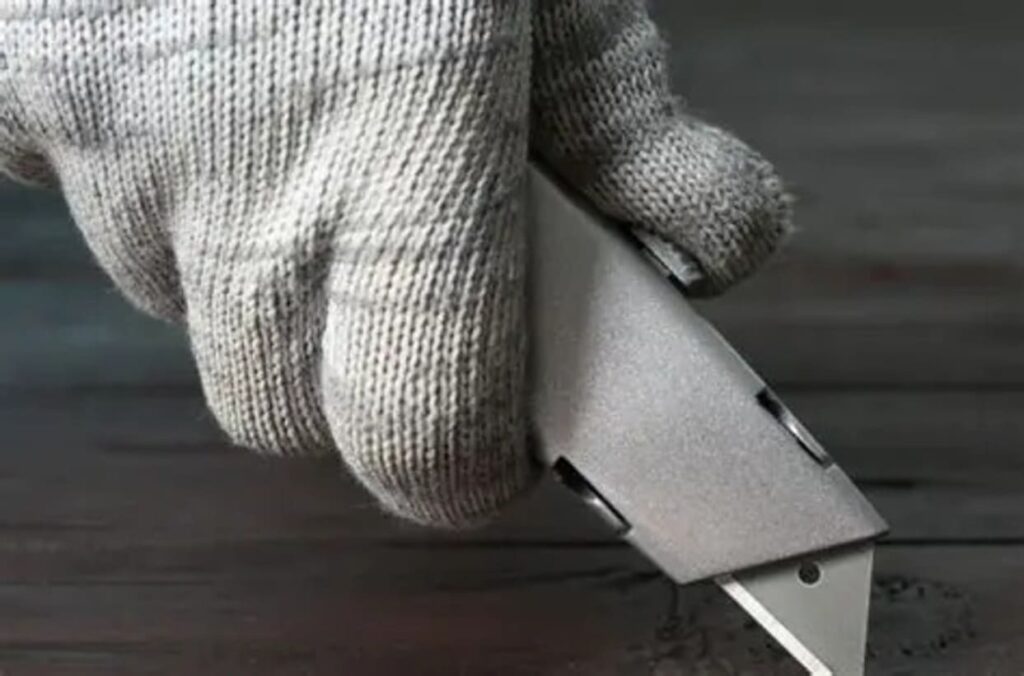
Hand injuries remain one of the most common workplace incidents across industries such as manufacturing, construction, logistics, automotive, metal fabrication, and warehousing. Workers regularly handle sharp tools, sheet metal, glass, wires, and machinery that increase the risk of cuts and lacerations. While cut-resistant gloves have become an essential part of personal protective equipment (PPE), many professionals still face a common challenge: finding gloves that provide superior protection without sacrificing hand mobility.
Modern engineering has transformed glove technology: mitrasaruta, making it possible to achieve excellent cut resistance while maintaining exceptional dexterity. Understanding how these gloves are designed helps employers and workers make informed decisions that improve both safety and productivity.
Why Cut Resistance Matters
Hand injuries often result in lost workdays, medical expenses, decreased productivity, and permanent disability in severe cases. Even a minor cut can interrupt operations and expose workers to infection or further injury.
Cut-resistant gloves create a protective barrier between the worker’s hands and sharp objects, significantly reducing the likelihood of injuries. However, protection alone is not enough. Workers also need gloves that allow them to grip tools, manipulate small components, and perform precise tasks comfortably throughout the workday.
This balance between protection and dexterity has become the primary goal of modern glove engineering.
Understanding Cut Resistance Ratings
Not all cut-resistant gloves provide the same level of protection. International standards help users select gloves suitable for specific applications.
The two most recognized standards include:
ANSI/ISEA 105
Widely used in North America, this standard classifies gloves from A1 to A9, with A1 providing basic cut protection and A9 offering the highest level against sharp hazards.
Typical applications include:
- A1-A2: General warehouse work
- A3-A4: Glass handling and packaging
- A5-A6: Metal fabrication
- A7-A9: Heavy industrial operations involving extremely sharp materials
EN 388
Common throughout Europe and many international markets, EN 388 evaluates gloves based on:
- Abrasion resistance
- Blade cut resistance
- Tear resistance
- Puncture resistance
- ISO cut resistance
- Impact protection (if applicable)
Understanding these ratings ensures workers choose gloves that match their specific workplace hazards rather than simply selecting the thickest option.
Materials Behind Modern Cut-Resistant Gloves
Advancements in fiber technology have dramatically improved glove performance. Today’s gloves rely on engineered materials rather than bulky leather or thick fabrics.
High-Performance Polyethylene (HPPE)
HPPE fibers provide exceptional cut resistance while remaining lightweight and flexible.
Advantages include:
- High strength-to-weight ratio
- Excellent comfort
- Breathability
- Low lint generation
- Good abrasion resistance
HPPE has become one of the most widely used materials in modern industrial gloves.
Kevlar® and Aramid Fibers
Aramid fibers offer excellent protection against both cuts and heat.
Benefits include:
- Heat resistance
- Flame resistance
- Long service life
- High tensile strength
These materials are ideal for welding support, automotive manufacturing, and glass processing.
Steel and Composite Fibers
For environments with extreme cut hazards, manufacturers often blend stainless steel fibers with synthetic yarns.
These composite materials provide:
- Outstanding cut protection
- Increased durability
- Enhanced structural integrity
Modern designs minimize the stiffness traditionally associated with steel-reinforced gloves.
Engineered Blended Fibers
Many premium gloves combine multiple materials into proprietary yarn blends that maximize:
- Flexibility
- Durability
- Grip
- Comfort
- Cut resistance
This engineered approach allows manufacturers to tailor glove performance for different industries.
Engineering Dexterity into Protective Gloves
Protection should never interfere with a worker’s ability to perform tasks efficiently.
Several engineering innovations help improve dexterity.
Thin Gauge Knitting
Modern gloves often use 15, 18, or even 21-gauge knitting technology.
Higher gauge knitting produces:
- Thinner gloves
- Better finger sensitivity
- Reduced hand fatigue
- Improved flexibility
Workers can handle screws, electrical components, or precision tools without removing their gloves.
Ergonomic Design
Quality gloves follow the natural contours of the human hand.
Features include:
- Pre-curved fingers
- Flexible thumb crotch
- Elastic wrist cuffs
- Anatomical fit
These design elements reduce muscle strain during repetitive tasks.
Advanced Palm Coatings
The glove coating significantly affects grip and comfort.
Common coatings include:
Nitrile
- Oil resistance
- Excellent durability
- Good puncture protection
Polyurethane (PU)
- Outstanding tactile sensitivity
- Lightweight feel
- Smooth grip for dry environments
Foam Nitrile
- Enhanced breathability
- Superior wet grip
- Improved flexibility
Selecting the right coating is just as important as choosing the proper cut-resistance level.
Industries That Benefit Most
Numerous industries require gloves that combine cut protection with excellent dexterity.
Manufacturing
Workers frequently assemble machinery, handle sharp metal components, and operate production equipment where precise hand movements are essential.
Automotive Industry
Assembly technicians need gloves capable of protecting against sharp metal edges while allowing intricate installation of mechanical and electrical components.
Construction
Construction professionals often encounter nails, sheet metal, wires, and cutting tools. Durable yet flexible gloves improve both safety and job performance.
Warehousing and Logistics
Handling boxes, shrink wrap, utility knives, and packaging materials exposes workers to cut hazards throughout the day.
Lightweight cut-resistant gloves reduce fatigue during repetitive picking and packing operations.
Glass Handling
Glass fabrication demands one of the highest levels of cut protection while maintaining precise handling capabilities to prevent accidents.
Comfort Improves Compliance
Even the safest glove offers little protection if workers choose not to wear it.
Comfort directly influences PPE compliance.
Modern glove engineering focuses on:
- Breathable materials
- Moisture management
- Lightweight construction
- Flexible fabrics
- Reduced seam irritation
Workers who remain comfortable throughout their shifts are far more likely to wear gloves consistently.
Choosing the Right Cut-Resistant Glove
No single glove fits every application. Employers should evaluate several factors before selecting hand protection.
Consider:
- Type of cut hazard
- Required dexterity
- Grip conditions (dry, wet, oily)
- Exposure to chemicals
- Heat resistance requirements
- Puncture hazards
- Duration of glove use
- Worker comfort
Conducting a workplace hazard assessment ensures the selected gloves provide appropriate protection without unnecessary bulk.
Maintenance and Replacement
Proper glove care extends service life while maintaining protective performance.
Best practices include:
- Inspect gloves before each use.
- Replace gloves showing cuts, holes, or excessive wear.
- Follow manufacturer cleaning recommendations.
- Store gloves away from direct sunlight and chemicals.
- Rotate gloves in high-use environments.
Regular inspection helps identify damaged gloves before they become a safety risk.
The Future of Hand Protection
Innovation continues to reshape industrial hand protection. Manufacturers are developing gloves that integrate advanced fibers, improved coatings, and ergonomic designs to achieve higher protection levels with even greater comfort.
Emerging technologies include touchscreen-compatible fingertips, antimicrobial treatments, enhanced breathable coatings, and sustainable recycled fibers. These innovations allow workers to remain productive while benefiting from improved safety and long-term comfort.
As workplaces become more automated and precision-driven, gloves must evolve to meet increasingly demanding performance expectations.
Conclusion
Engineering hand protection is no longer simply about creating thicker gloves. Today’s cut-resistant gloves combine advanced materials, ergonomic design, and precision manufacturing to deliver exceptional protection without compromising dexterity. By selecting gloves that match specific workplace hazards and prioritizing comfort alongside safety, organizations can reduce injuries, improve productivity, and encourage consistent PPE compliance. Investing in high-quality cut-resistant gloves ultimately supports a safer, more efficient workforce capable of performing complex tasks with confidence and precision.