
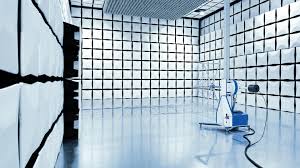
Introduction
In today’s technology-driven world, electronic devices are everywhere. From smartphones and medical equipment to industrial machinery and automotive systems, these devices must operate reliably without causing or experiencing electromagnetic interference. This is where EMI EMC Testing plays a critical role.
Electromagnetic Interference (EMI) and Electromagnetic Compatibility (EMC) testing ensure that electronic products meet regulatory standards and function correctly in real-world environments. Manufacturers across various industries rely on EMI EMC testing to verify product performance, achieve certification, and gain market access.
What is EMI?
Electromagnetic Interference (EMI) refers to unwanted electromagnetic energy that disrupts the operation of electronic equipment. EMI can originate from various sources, including:
- Power lines
- Radio transmitters
- Wireless communication devices
- Electric motors
- Switching power supplies
- Industrial equipment
Interference can degrade performance, cause malfunctions, or even lead to complete system failure.
Types of EMI
Conducted EMI
Conducted EMI travels through electrical conductors such as power cables and signal lines.
Radiated EMI
Radiated EMI propagates through the air as electromagnetic waves and can affect nearby devices.
What is EMC?
Electromagnetic Compatibility (EMC) is the ability of a device to operate properly in its electromagnetic environment without causing unacceptable interference to other equipment.
An EMC-compliant product must:
- Limit the electromagnetic emissions it generates.
- Resist interference from external electromagnetic sources.
EMC testing evaluates both aspects to ensure reliable operation.
Importance of EMI EMC Testing
EMI EMC testing is essential for manufacturers because it helps:
Ensure Regulatory Compliance
Many countries require electronic products to comply with EMC regulations before they can be sold. Common standards include:
- FCC (United States)
- CE Marking (European Union)
- UKCA (United Kingdom)
- CISPR Standards
- IEC Standards
Failure to meet these requirements can delay product launches and result in costly redesigns.
Improve Product Reliability
Testing identifies potential electromagnetic issues early in the development process, reducing the risk of field failures and customer complaints.
Enhance Safety
Electromagnetic interference can affect critical systems such as:
- Medical devices
- Automotive electronics
- Aerospace equipment
- Industrial control systems
Proper testing helps prevent dangerous malfunctions.
Reduce Development Costs
Identifying EMC issues during product development is significantly less expensive than fixing problems after production or certification failure.
Common EMI EMC Tests
Radiated Emissions Testing
This test measures electromagnetic energy emitted from a device through the air. It ensures emissions remain below specified regulatory limits.
Conducted Emissions Testing
Conducted emissions testing measures interference that travels along power and signal cables connected to the equipment.
Radiated Immunity Testing
Radiated immunity evaluates a device’s ability to function correctly when exposed to electromagnetic fields generated by external sources.
Conducted Immunity Testing
This test verifies that the product can withstand interference introduced through cables and power lines.
Electrostatic Discharge (ESD) Testing
ESD testing simulates static electricity discharges that may occur during normal handling by users.
Electrical Fast Transient (EFT) Testing
EFT testing evaluates how equipment responds to rapid electrical disturbances commonly found in industrial environments.
Surge Testing
Surge testing simulates high-energy voltage spikes caused by lightning strikes or power switching events.
Harmonics and Flicker Testing
These tests assess the impact of equipment on power quality and electrical distribution systems.
Industries That Require EMI EMC Testing
Automotive Industry
Modern vehicles contain numerous electronic control units, sensors, and communication systems that must operate without interference.
Medical Devices
Medical equipment requires strict EMC compliance to ensure patient safety and accurate operation.
Aerospace and Defense
Aircraft and defense systems rely on highly reliable electronics that must withstand harsh electromagnetic environments.
Telecommunications
Communication equipment must maintain signal integrity while minimizing electromagnetic emissions.
Consumer Electronics
Smartphones, laptops, smart home devices, and wearable technology all require EMC certification before entering the market.
EMI EMC Testing Process
1. Pre-Compliance Testing
Manufacturers perform preliminary testing during product development to identify potential EMC issues early.
2. Design Optimization
Engineers address identified problems through:
- Improved PCB layout
- Shielding solutions
- Filtering techniques
- Grounding improvements
- Cable management
3. Formal Compliance Testing
Accredited laboratories conduct official testing according to applicable standards and regulations.
4. Certification and Documentation
Successful products receive certification and supporting documentation required for market approval.
Best Practices for EMC Design
To improve EMC performance, manufacturers should:
- Use proper grounding techniques.
- Minimize cable lengths.
- Implement shielding where necessary.
- Design effective PCB layouts.
- Apply filtering on power and signal lines.
- Separate noisy and sensitive circuits.
- Conduct pre-compliance testing early.
These practices can significantly reduce compliance risks and development costs.
Challenges in EMI EMC Testing
As technology advances, EMI EMC testing becomes increasingly complex due to:
- Higher operating frequencies
- Wireless communication technologies
- Miniaturized electronic designs
- Increased device connectivity
- Stricter regulatory requirements
Manufacturers must continuously adapt their testing strategies to meet evolving standards.
Future Trends in EMI EMC Testing
Emerging technologies are shaping the future of EMC testing, including:
- 5G and 6G communications
- Electric vehicles (EVs)
- Internet of Things (IoT)
- Artificial Intelligence systems
- Autonomous vehicles
- Smart manufacturing environments
These innovations require advanced testing methodologies to ensure electromagnetic compatibility and product reliability.
Conclusion
EMI EMC testing is a critical component of modern product development. It ensures electronic devices operate safely, reliably, and in compliance with global regulations. By identifying electromagnetic issues early and implementing effective design practices, manufacturers can reduce costs, accelerate product launches, and improve customer satisfaction.
Whether developing consumer electronics, medical devices, automotive systems, or industrial equipment, comprehensive EMI EMC testing remains essential for achieving regulatory compliance and delivering high-quality products to the market.