
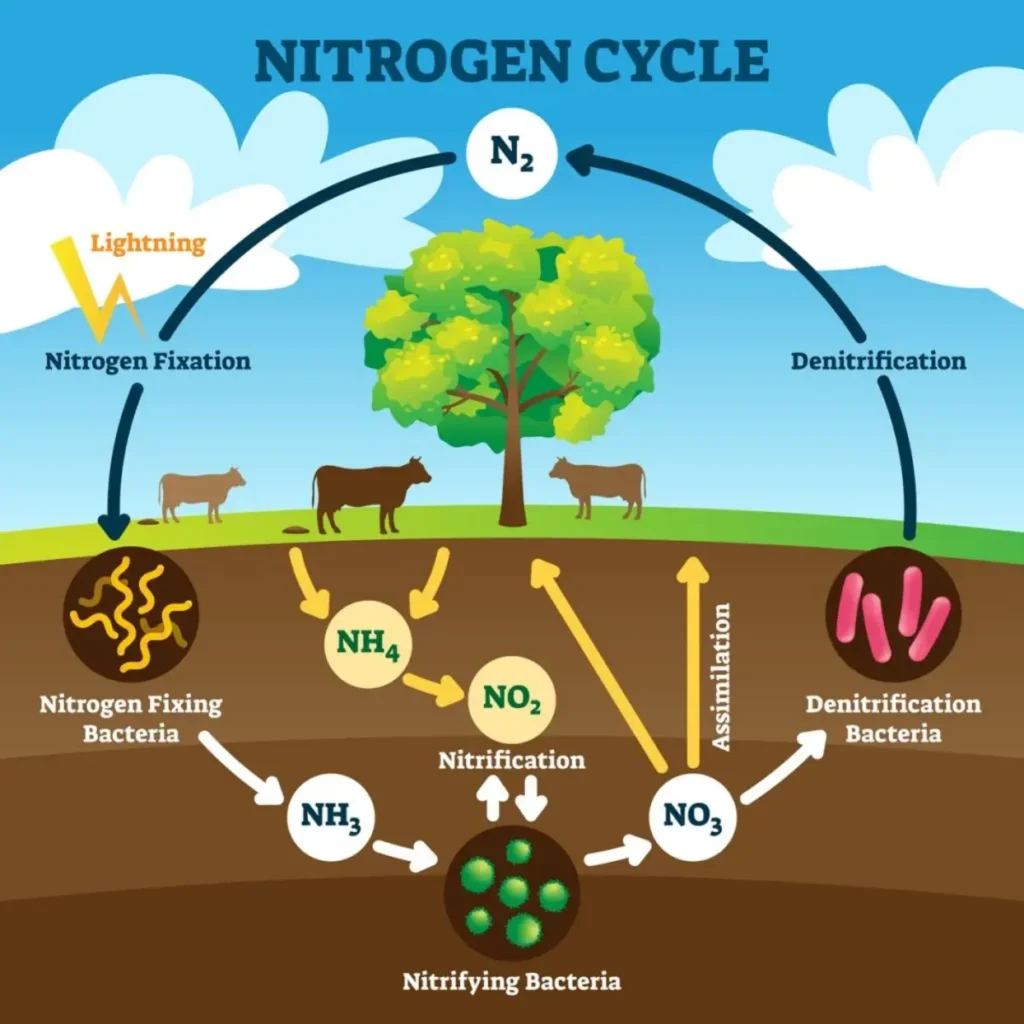
Nitrogen is one of the most essential nutrients for plant growth. It plays a vital role in the formation of chlorophyll, proteins, amino acids, and enzymes that support healthy development. However, not all nitrogen is the same. Different forms of nitrogen affect plants in unique ways, and understanding these differences can help gardeners, farmers, and agricultural professionals achieve healthier crops and better yields.
Why Nitrogen Is Important for Plants
Nitrogen is considered a primary macronutrient alongside phosphorus and potassium. Plants require it in relatively large amounts because it supports several critical functions, including:
- Promoting leafy and vegetative growth
- Supporting photosynthesis
- Enhancing protein synthesis
- Increasing crop productivity
- Improving plant color and vigor
A lack of nitrogen often results in yellowing leaves, stunted growth, and reduced yields. On the other hand, excessive nitrogen can cause overly lush growth and make plants more susceptible to diseases and pests. Therefore, selecting the appropriate form of nitrogen is just as important as applying the correct amount.
The Three Main Forms of Nitrogen
Plants primarily obtain nitrogen in three forms:
1. Nitrate Nitrogen (NO₃⁻)
Nitrate nitrogen is one of the most common forms absorbed by plants. Since it is highly soluble in water, it moves easily through the soil and becomes readily available to roots.
Benefits of Nitrate Nitrogen
- Quickly absorbed by plants
- Encourages balanced growth
- Improves fruit and flower production
- Less likely to cause toxicity under proper management
Drawbacks
Because nitrate is highly mobile, it can easily leach from the soil during heavy rainfall or excessive irrigation. This can lead to nutrient loss and environmental concerns.
Common Sources
- Calcium nitrate
- Potassium nitrate
- Sodium nitrate
Many vegetable crops, fruit trees, and flowering plants benefit from nitrate-based fertilizers because they promote steady and healthy growth.
2. Ammonium Nitrogen (NH₄⁺)
Ammonium nitrogen is another form that plants can absorb directly. Unlike nitrate, ammonium carries a positive charge, allowing it to bind to soil particles and remain available longer.
Advantages of Ammonium Nitrogen
- Less prone to leaching
- Provides a longer-lasting nitrogen supply
- Supports root development
- Suitable for acidic-loving plants
Excessive ammonium concentrations may become toxic and can reduce root growth. In poorly aerated soils, high ammonium levels may negatively affect plant health.
- Ammonium sulfate
- Ammonium nitrate
- Monoammonium phosphate (MAP)
Rice, blueberries, and certain ornamental plants often perform well with ammonium-based nutrition.
3. Urea Nitrogen
Urea is one of the most widely used nitrogen fertilizers in agriculture because of its high nitrogen concentration and cost-effectiveness. Although plants cannot absorb urea directly, soil microorganisms convert it into ammonium and later into nitrate.
- Contains approximately 46% nitrogen
- Economical and widely available
- Easy to transport and store
- Suitable for various crops
Improper application may result in nitrogen losses through volatilization. Therefore, urea should ideally be incorporated into the soil or applied before rainfall or irrigation.
Urea is commonly used in:
- Corn production
- Wheat farming
- Vegetable cultivation
- Turf management
Its versatility makes it one of the most popular nitrogen fertilizers worldwide.
Which Form Is Best for Plants?
There is no single answer because different crops and growing conditions require different nitrogen forms. In many situations, a combination of nitrate and ammonium provides the best results.
Nitrate Is Ideal For:
- Tomatoes
- Peppers
- Cucumbers
- Fruit trees
- Flowering plants
Nitrate promotes balanced growth and supports flowering and fruit development.
Ammonium Is Beneficial For:
- Rice
- Blueberries
- Azaleas
- Rhododendrons
These plants often thrive in slightly acidic environments where ammonium nitrogen performs effectively.
Urea Is Best For:
- Large-scale farming
- Field crops
- Lawns and turfgrass
- Cost-conscious fertilization programs
Because of its high nitrogen content, urea delivers excellent value when managed properly.
Factors That Influence Nitrogen Selection
Several factors determine which nitrogen form is most suitable.
Soil pH
Soil acidity affects nutrient availability. Ammonium fertilizers tend to acidify the soil over time, while nitrate sources may help maintain a more neutral pH balance.
Temperature
Cool soil conditions slow down microbial activity, reducing the conversion of ammonium and urea into nitrate. In colder climates, nitrate nitrogen often provides faster results.
Crop Type
Different species have unique nutritional preferences. Understanding crop requirements can improve nutrient efficiency and maximize yields.
Irrigation Practices
Heavy irrigation may wash nitrate away from the root zone. In such cases, ammonium-containing fertilizers may provide better nitrogen retention.
Environmental Considerations
Proper nitrogen management helps minimize groundwater contamination and greenhouse gas emissions. Balanced fertilization contributes to more sustainable agriculture.
Signs of Nitrogen Deficiency
Plants suffering from nitrogen deficiency often display:
- Pale green or yellow leaves
- Slow growth
- Thin stems
- Reduced flowering
- Smaller fruits and vegetables
Older leaves usually turn yellow first because plants relocate nitrogen to support new growth.
Tips for Efficient Nitrogen Use
To maximize fertilizer efficiency, consider the following practices:
Perform Soil Testing
Soil analysis helps determine nutrient requirements and prevents over-fertilization.
Apply Nitrogen at the Right Time
Split applications throughout the growing season can improve nutrient uptake and reduce losses.
Use Proper Irrigation
Adequate watering helps nutrients reach the roots without causing excessive leaching.
Consider Controlled-Release Fertilizers
Slow-release products provide a steady nitrogen supply and improve nutrient efficiency.
Match Fertilizer Type to Crop Needs
Different crops respond differently to nitrate, ammonium, and urea. Selecting the right source enhances plant health and productivity.
Conclusion
Nitrogen is indispensable for healthy plant growth, but understanding the different forms of nitrogen is essential for achieving the best results. Nitrate nitrogen offers rapid availability and balanced growth, ammonium nitrogen provides longer-lasting nutrition and supports certain crops, while urea remains a cost-effective option widely used in agriculture – toko belerang.
Rather than searching for a single “best” nitrogen form, growers should focus on choosing the most suitable source based on soil conditions, crop requirements, and management practices. By using nitrogen wisely, plants can develop stronger roots, greener foliage, and higher yields, contributing to healthier and more productive gardens and farms.