
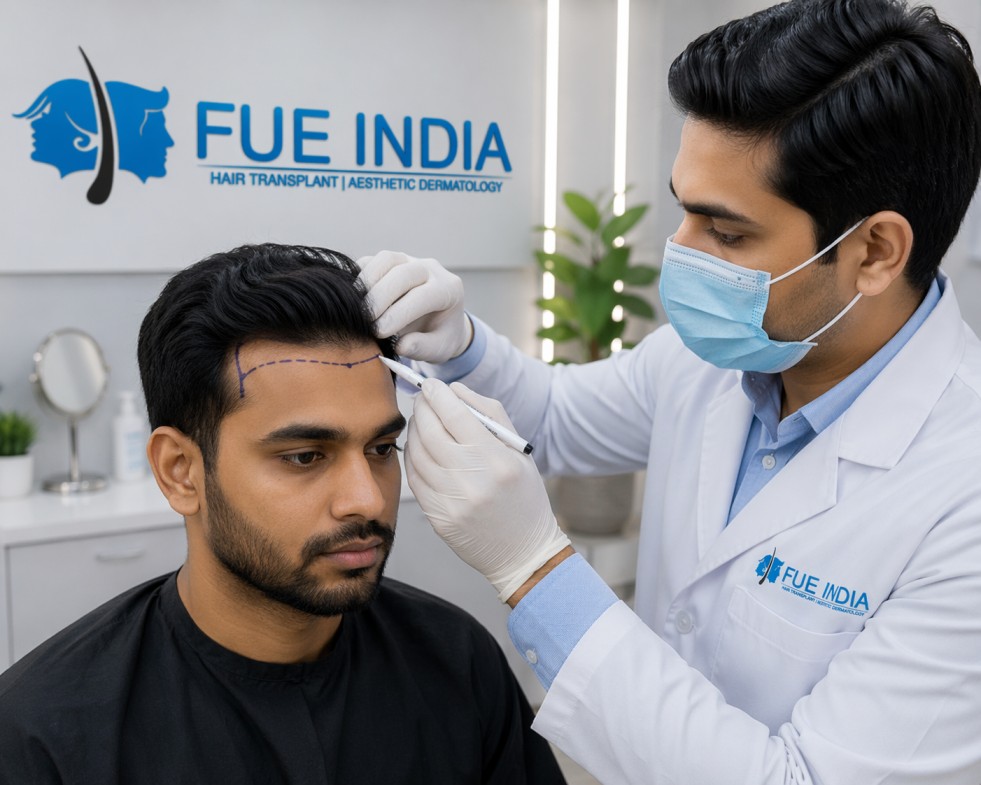
A hair transplant is one of the most effective long-term solutions for hair loss. However, many patients expect instant results and are often surprised when the transformation takes several months to become visible. Understanding the Hair Transplant Before and After journey can help set realistic expectations and make the recovery process less stressful.
The first year after a hair transplant is filled with important milestones, from initial healing and temporary shedding to steady hair growth and final results. This guide provides a detailed timeline of what changes you can expect during the first 12 months after your procedure.
Understanding the Hair Transplant Process
Before discussing the Hair Transplant Before and After timeline, it’s important to understand how the procedure works. During a hair transplant, healthy hair follicles are extracted from a donor area, typically the back or sides of the scalp, and implanted into thinning or bald regions.
Modern techniques such as FUE (Follicular Unit Extraction) and FUT (Follicular Unit Transplantation) ensure natural-looking results with minimal downtime. Once transplanted, the follicles undergo a growth cycle that requires patience before visible improvements appear.
Hair Transplant Before and After: Week 1
Immediate Post-Procedure Recovery
The first week focuses entirely on healing.
During this period, patients may experience:
- Mild redness around transplanted grafts
- Swelling on the forehead or scalp
- Tiny scabs forming around the implanted follicles
- Minor discomfort or itching
The scalp may look noticeably different compared to the pre-surgery stage, but this is a normal part of the Hair Transplant Before and After recovery process.
Care Tips
- Avoid touching or scratching the scalp.
- Follow washing instructions provided by your surgeon.
- Stay away from strenuous activities.
Most patients return to work within a few days, depending on their comfort level.
Hair Transplant Before and After: Month 1
The Shedding Phase Begins
One of the most surprising stages occurs during the first month. Many newly transplanted hairs begin to fall out.
This phenomenon, known as “shock loss,” is completely normal.
Patients often worry that the procedure has failed, but the transplanted follicles remain safely beneath the scalp. The visible hair sheds while the follicles prepare for new growth.
At this stage, the Hair Transplant Before and After comparison may appear disappointing because hair density can temporarily seem worse than before surgery.
Hair Transplant Before and After: Months 2-3
Resting Phase of Hair Follicles
Between the second and third months, the scalp enters a relatively quiet stage.
Common observations include:
- Minimal visible growth
- Reduced redness
- Healing of donor and recipient areas
- Scalp returning to normal appearance
Many patients become impatient during this period because changes are not immediately noticeable. However, beneath the surface, transplanted follicles are establishing blood supply and preparing for active growth.
This stage is crucial in the overall Hair Transplant Before and After transformation.
Hair Transplant Before and After: Months 3-4
New Hair Starts Emerging
Around the third or fourth month, the first signs of growth become visible.
Patients may notice:
- Fine, thin hairs appearing in transplanted areas
- Slight improvement in coverage
- Increased confidence about the procedure’s success
The new hairs often look soft and uneven initially. This is normal because transplanted follicles do not all enter the growth phase simultaneously.
While the difference between Hair Transplant Before and After images becomes visible, results are still in the early stages.
Hair Transplant Before and After: Months 5-6
Noticeable Improvement in Density
By the sixth month, significant progress usually becomes apparent.
Changes often include:
- Increased hair thickness
- Better scalp coverage
- More natural hairline definition
- Improved overall appearance
Many patients experience around 40% to 60% of their final results by this point.
The Hair Transplant Before and After comparison becomes much more encouraging, as friends and family may begin noticing visible improvements.
Styling Becomes Easier
Patients often find they can:
- Style their hair more effectively
- Use fewer concealing products
- Enjoy increased confidence in social situations
Hair Transplant Before and After: Months 7-9
Accelerated Growth Phase
This period is often considered the most exciting stage of recovery.
During months seven through nine:
- Hair becomes thicker and stronger
- Coverage continues improving
- Texture begins matching surrounding hair
- Hairline appears more natural
Most patients achieve approximately 70% to 80% of their final outcome during this stage.
The transformation seen in Hair Transplant Before and After photos becomes dramatic, particularly for individuals who had extensive hair loss before surgery.
Improved Hair Quality
The transplanted hairs mature over time, becoming:
- Darker
- Stronger
- More resistant to shedding
- Easier to manage
Hair Transplant Before and After: Months 10-12
Final Results Take Shape
The final quarter of the first year brings the most refined improvements.
Patients typically experience:
- Maximum density development
- Complete hairline maturation
- Natural blending with existing hair
- Enhanced volume and fullness
At 12 months, most individuals can accurately evaluate their Hair Transplant Before and After results.
Depending on the procedure type and individual healing characteristics, some patients may continue seeing minor improvements beyond one year.
Factors That Affect Hair Transplant Results
Every patient’s journey is unique. Several factors influence the quality of Hair Transplant Before and After outcomes:
1. Surgeon Expertise
The skill of the surgeon plays a major role in graft survival, placement, and natural appearance.
2. Hair Characteristics
Patients with thicker hair often achieve greater visual density than those with finer hair.
3. Age and Health
Good overall health supports better healing and hair growth.
4. Post-Operative Care
Following aftercare instructions significantly impacts recovery and final results.
5. Extent of Hair Loss
Patients with advanced baldness may require additional sessions to achieve desired density.
Common Questions About Hair Transplant Before and After Results
When Will I See Noticeable Hair Growth?
Most patients begin seeing visible growth between three and four months after surgery.
Is Shedding Normal?
Yes. Temporary shedding during the first month is a standard part of the recovery process.
Are Results Permanent?
Transplanted follicles are generally resistant to hair loss and can provide long-lasting results.
Can Results Continue Improving After 12 Months?
Yes. Some patients experience continued thickening and maturation for up to 18 months.
Tips for Maximizing Your Hair Transplant Results
To achieve the best possible Hair Transplant Before and After outcome:
- Follow all post-operative instructions carefully.
- Attend scheduled follow-up appointments.
- Maintain a healthy diet rich in vitamins and protein.
- Avoid smoking and excessive alcohol consumption.
- Consider supportive treatments if recommended by your doctor.
Conclusion
The Hair Transplant Before and After journey is a gradual process that unfolds over the course of a year. While the first few months may test your patience due to shedding and slow progress, steady improvements eventually lead to natural-looking, permanent results.
From initial healing in the first week to full density development at 12 months, every stage plays a crucial role in achieving a successful outcome. Understanding this timeline helps patients set realistic expectations and appreciate the remarkable transformation that modern hair transplant procedures can provide.
By choosing an experienced clinic and following proper aftercare guidelines, you can maximize your chances of enjoying a fuller, healthier head of hair and a significant boost in confidence.