
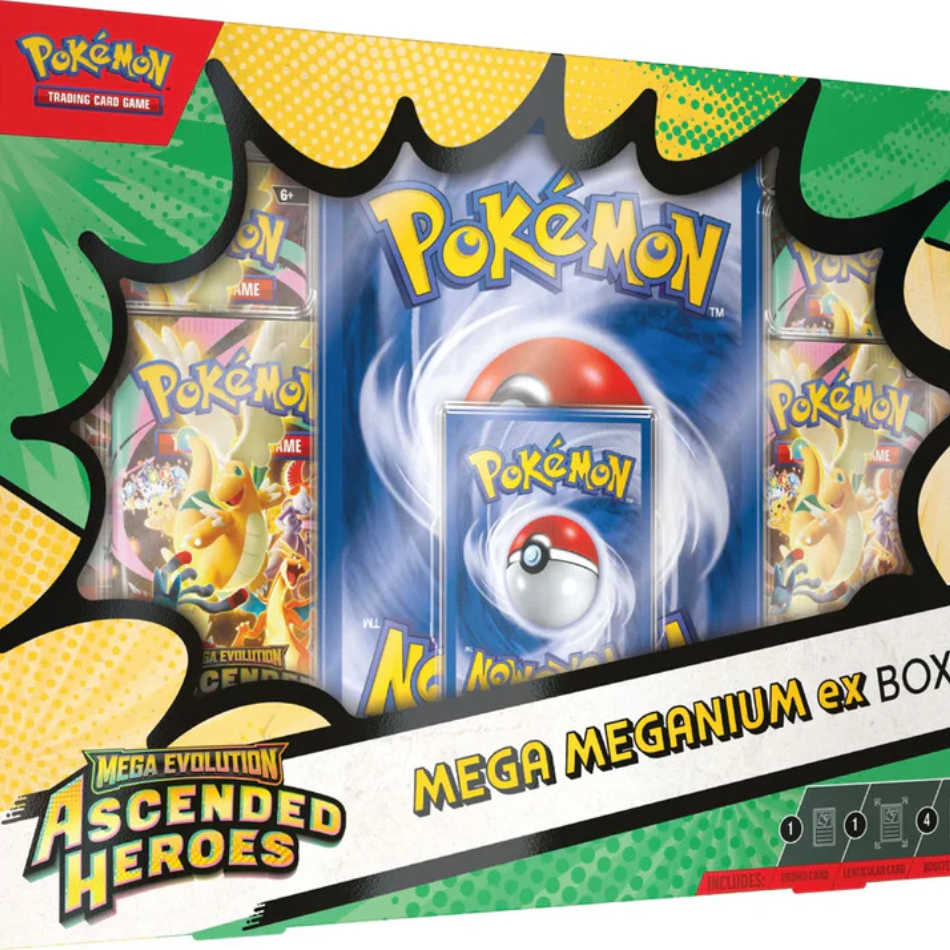
Pokémon cards are not just a game anymore. People are making real money buying and selling them. But not every card goes up in value. Most cards are worth almost nothing. A few are worth thousands.
Here’s what you actually need to know before spending money on Pokémon cards as an investment.
Why Do Some Cards Hold Value?
Three things make a card valuable — rarity, condition, and demand.
Rarity means how hard the card is to pull from a pack. Secret Rares, Full Art cards, and Gold cards are harder to get so they’re worth more.
Condition is huge. A card that’s mint (perfect, no scratches, no bends) can be worth 5x more than the same card in poor condition. This is why grading exists.
Demand means people actually want it. A rare card nobody cares about is still worthless. Cards with popular Pokémon like Charizard, Pikachu, and Mewtwo will always have buyers.
Cards That Hold Value Best
Vintage Base Set Cards (1999) Original Base Set Charizard, Blastoise, and Venusaur are the gold standard. A PSA 10 Base Set Charizard has sold for over $300,000. Even lower grades are worth hundreds to thousands of dollars. These will likely never lose value.
First Edition Cards Any First Edition stamp on an old card adds serious value. First Edition Base Set cards in good condition are some of the most sought-after cards in the hobby.
Pikachu Illustration Rare The Pikachu Illustration cards — especially the ones from Japanese sets — are extremely valuable. The famous “Illustrator Pikachu” is considered the rarest Pokémon card ever made.
Shiny Charizard VMAX (Shining Fates) Modern era but already proven to hold strong value. Shining Fates was hard to find at launch and the Shiny Charizard VMAX is consistently one of the most valuable modern cards.
Full Art Trainer Cards Supporter cards with Full Art prints — like Marnie, Professor Research, and Boss’s Orders — hold value surprisingly well because competitive players need them and collectors want them.
Cards That Usually Don’t Hold Value
- Common and Uncommon cards from any set
- Most Reverse Holo cards (unless they feature fan-favorite Pokémon)
- Standard Rare cards from recent sets
- Cards in poor condition — creases, scratches, whitening on edges
Should You Get Cards Graded?
Grading means sending your card to a company like PSA or Beckett. They grade it from 1 to 10 and seal it in a protective case. A graded card is worth significantly more than a raw (ungraded) one.
It’s worth grading if the card is already valuable and in great condition. Don’t bother grading common cards or anything that’s already damaged. Grading costs money and takes time — sometimes months.
Tips Before You Start Investing
- Buy what you know. Stick to Charizard, Pikachu, and Mewtwo cards. They always have buyers.
- Condition is everything. Keep cards in sleeves and top loaders immediately.
- Old beats new. Vintage cards from Gen 1 and 2 era almost always hold value better than modern sets.
- Don’t open sealed products to invest. Sealed booster boxes and ETBs go up in value over time. Once you open them, that’s gone.
- Be patient. Pokémon card values go up and down. This is a long game, not a quick flip.
Final Thoughts
Pokémon card investing is real but it’s not easy money. The people making the most are ones who started early, kept cards in perfect condition, and focused on cards people actually love.
If you’re just starting out, focus on vintage cards, keep everything sealed or sleeved, and don’t buy anything just because it looks cool. Buy what the market wants.
For more information
Instagram: kollect korner
Facebook: kollect korner
Contact email: support@kollectkorner.com