
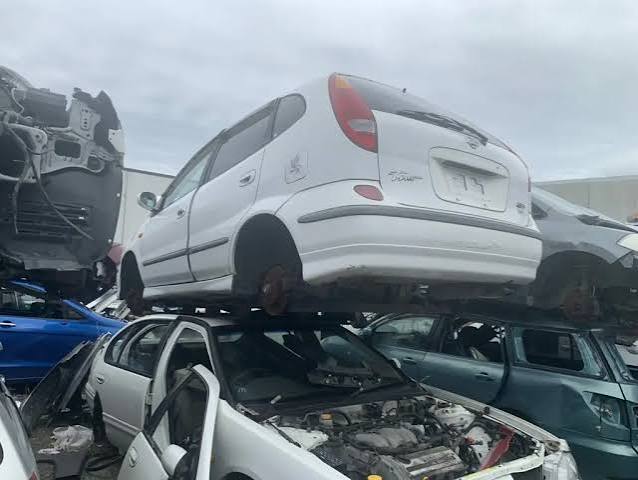
Selling an old or damaged vehicle does not have to be difficult. Many owners spend weeks trying to find private buyers, answer calls, and arrange inspections without getting the result they want. This is why many people now choose car removal services instead.
If you have an old, damaged, or unwanted vehicle, it is important to understand how the process works before making a decision. Knowing what to expect can save time and help you prepare your vehicle for sale.
This guide explains everything every seller should know before choosing a car removal service.
Why Many Vehicle Owners Choose Car Removal Services
Private selling often takes longer than expected. Buyers may negotiate heavily, cancel appointments, or lose interest after inspections.
Car removal services offer another option. They purchase vehicles in many different conditions, including:
- Old cars
- Damaged vehicles
- Accident cars
- Non-running vehicles
- Flood-damaged vehicles
- Vehicles with mechanical problems
- Cars that no longer meet your needs
Many companies also collect the vehicle from your location, making the process more convenient.
How the Process Usually Works
The selling process is generally simple.
Request a Quote
The first step is providing details about your vehicle. This usually includes:
- Make
- Model
- Year
- Condition
- Registration status
These details help determine the estimated value.
Accept the Offer
If you are happy with the offer, you can arrange a pickup time that suits you.
Vehicle Collection
The removal team visits your location, checks the vehicle, completes the paperwork, and loads the vehicle.
Receive Payment
After everything is confirmed, payment is completed according to the agreed terms.
Why Vehicle Condition Is Not Always a Problem
One reason these services have become popular is that they accept vehicles in many conditions.
Unlike private buyers, companies that specialise in recycling and dismantling understand that damaged vehicles still have value.
Parts that can often be reused include:
- Engines
- Gearboxes
- Alternators
- Wheels
- Doors
- Mirrors
- Interior components
Even if a vehicle cannot be repaired, recyclable metals still contribute to its value.
Documents You May Need
Preparing the right documents helps make the process smoother.
Depending on local requirements, sellers may need:
- Proof of identity
- Vehicle ownership documents
- Registration papers, if available
- Vehicle keys
Some companies can still purchase vehicles with missing paperwork, although extra verification may be required.
Tips Before You Sell
A little preparation can make the process easier.
Remove Personal Belongings
Check every storage area, including:
- Glove box
- Centre console
- Boot
- Under seats
- Door pockets
Many people forget important items inside their vehicles.
Remove Electronic Devices
Take out:
- Phone chargers
- Dash cameras
- GPS units
- Bluetooth accessories
These items are often overlooked.
Compare Multiple Quotes
Different buyers may value your vehicle differently.
Comparing several offers gives you a better understanding of the current market value.
Be Honest About the Vehicle
Providing accurate information avoids surprises during inspection.
Mention any:
- Accident history
- Mechanical faults
- Missing parts
- Engine issues
Honest details help ensure the quoted price remains accurate.
How Scrap Car Buyers Determine Vehicle Value
Many sellers wonder why offers vary.
Several factors influence pricing, including:
Vehicle Age
Older vehicles generally have lower resale value but may still contain valuable parts.
Make and Model
Popular models often have parts that remain in demand.
Condition
Vehicles with reusable components may receive higher offers.
Metal Prices
Recycling values change with scrap metal market prices.
Parts Demand
Some vehicles are worth more because replacement parts are commonly needed.
Common Mistakes Sellers Should Avoid
Avoid these common errors when selling your vehicle.
Waiting Too Long
Unused vehicles continue to lose value over time.
Mechanical problems can also worsen if the vehicle sits idle.
Forgetting Paperwork
Preparing documents before pickup helps avoid unnecessary delays.
Accepting the First Offer
Comparing different buyers often provides a clearer idea of your vehicle’s value.
Leaving Personal Information Inside
Remember to remove:
- Registration documents
- Insurance papers
- Toll tags
- Personal records
Protecting your personal information should always be a priority.
Environmental Benefits of Vehicle Recycling
Old vehicles contain materials that can be reused instead of ending up in a landfill.
Vehicle recycling helps recover:
- Steel
- Aluminium
- Copper
- Plastic
- Glass
Reusable parts can also be fitted to other vehicles, reducing the need for manufacturing new components.
This supports more responsible use of resources while reducing waste.
When Is the Right Time to Sell?
Many owners keep old vehicles parked for months or even years.
It may be time to sell if your vehicle:
- Needs expensive repairs
- No longer starts
- Has serious accident damage
- Has become unsafe to drive
- Costs more to maintain than it is worth
- Is it no longer being used?
Selling earlier may help avoid additional repair and storage costs.
Choosing the Right Company
Not every buyer offers the same level of service.
Before making your decision, consider:
- Clear communication
- Transparent pricing
- Licensed operations
- Flexible pickup times
- Experience purchasing different vehicle types
Reading customer reviews can also help you understand what previous sellers experienced.
Final Thoughts
Choosing cash for cars Parramatta can simplify the process of selling an old, damaged, or unwanted vehicle. Instead of spending weeks searching for private buyers, many owners choose a service that accepts vehicles in almost any condition and arranges collection.
Understanding how vehicle values are calculated, preparing the necessary paperwork, and comparing offers can help you make a well-informed decision. With the right preparation, selling your vehicle becomes a straightforward process that saves time and gives your unwanted car a useful next purpose through recycling or parts recovery. If you are ready to sell, take the next step and choose the option that best suits your vehicle.
FAQs
Can I sell a car that no longer runs?
Yes. Many car removal companies purchase vehicles that are not running.
Do scrap car buyers purchase accident-damaged vehicles?
Yes. Most buyers accept accident-damaged vehicles, depending on their condition and remaining value.
How long does the selling process usually take?
Many companies can arrange vehicle collection within one or two days after accepting an offer.
Do I need registration to sell my vehicle?
Requirements vary, but many buyers can purchase unregistered vehicles with proof of ownership.
Should I remove my personal belongings before pickup?
Yes. Always check every compartment and remove personal items before the vehicle is collected.