
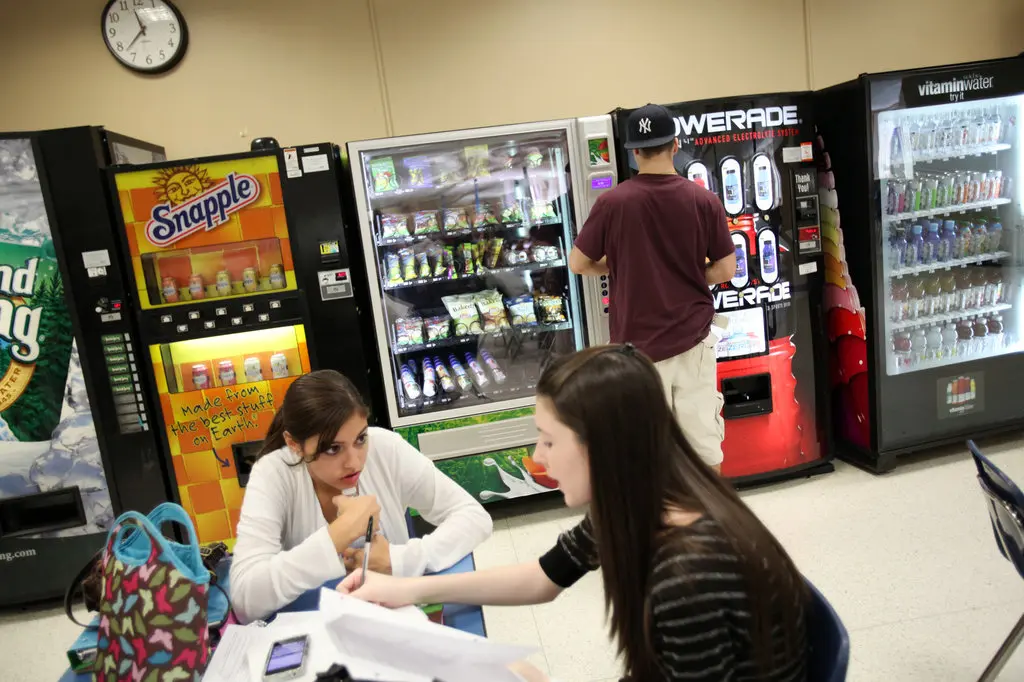
Vending machines in high schools are undergoing a quiet but significant transformation. What was once a straightforward source of soft drinks and chocolate bars has evolved into a carefully considered piece of school infrastructure, shaped by nutrition guidelines, student wellbeing policies, and a growing appetite for convenience without compromise. For principals, canteen managers, and P&C committees across the country, understanding where this shift is heading has become essential planning knowledge rather than a passing curiosity.
This article explores the trends reshaping vending in secondary school settings, the practical considerations schools need to weigh, and what the coming years are likely to bring for administrators trying to balance student satisfaction with health obligations and budget realities.
Why Vending Machines Are Changing in Schools
For decades, vending machines carried a reputation as dispensers of junk food, sugary drinks, and empty calories. That reputation is now largely outdated. Health departments, education authorities, and parent bodies have pushed hard for reform, and manufacturers have responded with machines and product ranges built specifically for the education sector.
Today’s school vending solutions are typically governed by nutrition frameworks such as traffic light labelling systems, which classify snacks and drinks into green, amber, and red categories based on nutritional value. Most public and independent schools now require that the bulk of vending stock sits within the green and amber bands, with red category items either heavily restricted or removed entirely.
This regulatory backdrop has become the single biggest driver of change. Schools are no longer simply choosing a vendor; they are choosing a partner who understands compliance, reporting, and the practicalities of restocking healthier product lines that still appeal to teenagers.
Trend One: Health-First Product Ranges
The most visible shift is in what actually sits inside the machine. Fizzy drinks and chip packets are giving way to baked snacks, reduced-sugar muesli bars, flavoured water, natural juices, and protein-based options. Some schools have gone further, introducing fresh sandwich and salad vending units that require refrigerated cabinets rather than the traditional coil-and-spring mechanism.
Protein-focused vending has become particularly popular in schools with strong sporting programs, where students and staff want convenient access to recovery snacks between training sessions and classes. This mirrors a broader consumer trend, and it is one of the clearest signals that vending machine Australia providers are actively redesigning their catalogues to fit institutional health standards rather than relying on generic consumer stock.
Trend Two: Cashless and App-Based Payment Systems
Physical coins are becoming a rarity in the schoolyard. Tap-and-go card readers, QR code payments, and dedicated school payment apps are increasingly standard on new machine installations. This shift brings several practical advantages for schools:
- Reduced cash handling and the security risks that come with it
- Easier reconciliation of sales data for canteen and finance teams
- Parental controls that allow spending limits or restrict certain product categories
- Faster transaction times during short recess and lunch windows
Cashless systems also open the door to loyalty and reward schemes, where students might earn vending machine Australia credit for choosing healthier options, further reinforcing the wellbeing goals schools are working towards.
Trend Three: Data and Smart Inventory Management
Modern vending units increasingly come fitted with sensors and connected software that track stock levels, sales patterns, and machine performance in real time. For a school, this means fewer instances of a machine running empty during a busy lunch period and more accurate demand forecasting term by term.
This data can also feed into wellbeing reporting. Some schools use anonymised purchasing trends to assess whether health initiatives are actually changing student behaviour, rather than relying on guesswork. It is a subtle but meaningful use of technology that turns a simple appliance into a genuine data point in a school’s broader health strategy.
Trend Four: Sustainability and Reduced Packaging Waste
Environmental responsibility has climbed the priority list for many school communities, and vending suppliers are adapting accordingly. Expect to see more machines stocked with products in recyclable or compostable packaging, refill-style water stations replacing single-use plastic bottles, and energy-efficient refrigeration units designed to lower a school’s overall power consumption.
Some providers now offer machines built from a higher proportion of recycled materials, alongside programs that track and report packaging waste reduction, giving schools tangible figures to include in sustainability reporting to their broader community.
Trend Five: Flexible Acquisition Models
Budget constraints are a constant reality for schools, particularly those managing tight canteen or facilities budgets. In response, many providers now offer a range of acquisition options rather than a single fixed purchase model. These commonly include free placement arrangements where the machine is supplied at no upfront cost with revenue shared from sales, straightforward rental agreements, lease-to-own structures, or outright purchase for schools wanting full ownership from day one.
This flexibility matters enormously for schools operating under strict procurement rules or annual budget cycles. A free hire arrangement, for example, allows a school to trial vending in a new location, such as a sports precinct or senior study centre, without committing significant capital upfront. As demand for vending machines in high schools continues to diversify across different campus zones, this kind of adaptable arrangement is likely to become the preferred approach for many education providers rather than the exception.
What Schools Should Consider Before Installing a Vending Machine
Before signing an agreement with any supplier, school leadership teams should work through a checklist of practical and policy-driven questions:
Does the product range meet state or territory nutrition guidelines? Most Australian states operate some form of healthy canteen strategy, and vending stock generally needs to align with the same standards applied to canteen menus.
What level of ongoing support is included? Restocking frequency, maintenance response times, and technical support for payment systems all affect how reliably the machine serves students day to day.
Is the machine energy efficient? Older refrigeration units can be a significant drain on a school’s electricity costs, particularly if multiple machines are installed across a large campus.
Can the contract scale with demand? A single machine in a senior common room might work well in year one, but growing enrolments or new facilities may require additional units, so flexibility in the agreement matters.
Is there transparent reporting on sales and stock? Schools benefit from suppliers who provide clear visibility into what is selling, what needs adjusting, and how the machine is performing financially.
The Role of Location and Placement
Where a vending machine sits on campus has a surprising amount of influence over both its usage and its reception among staff and parents. Machines placed near gymnasiums or sports ovals tend to see strong demand for hydration and recovery products, while units near administration or staff areas often skew towards coffee and quick snacks for teachers between classes.
Senior study areas and libraries are another growing placement trend, particularly in schools accommodating VCE, HSC, or equivalent senior secondary students who may be on campus for extended study periods outside normal class hours. Positioning a machine thoughtfully, rather than simply wherever space allows, has become part of a more strategic approach to campus planning.
Looking Ahead: What the Next Few Years Will Likely Bring
Industry momentum suggests several developments are likely to become mainstream in Australian secondary schools over the coming years. Artificial intelligence-enabled machines that adjust stock recommendations based on purchasing history and seasonal demand are already appearing in some workplace and university settings, and it is reasonable to expect this technology to filter into secondary education as costs decrease.
Expanded fresh food vending, offering chilled meals, salads, and even hot food options through smart heating units, is another area likely to grow, particularly as schools look for ways to support students who may not have access to a full lunch from home. Combined with continued pressure around sustainability and cashless convenience, the vending machine of the next decade is likely to look and function quite differently from the coin-operated units many parents remember from their own school days.
Frequently Asked Questions
Q. Are vending machines allowed in Australian public schools?
Yes, but they are subject to nutrition guidelines set by state and territory education departments. Most jurisdictions require that vending stock align with healthy canteen policies, meaning a significant proportion of products must fall into green or amber nutritional categories, with limited or no red category items available.
Q. What types of snacks are typically stocked in school vending machines now?
Modern school machines generally stock baked snacks, reduced-sugar muesli and cereal bars, flavoured and still water, natural fruit juices, and increasingly, protein-based products for students involved in sport. Full-sugar soft drinks and confectionery are largely phased out in compliance with health policy.
Q. How do schools pay for or acquire a vending machine?
Schools typically choose between a few common arrangements, including free placement with revenue share, straightforward rental, lease-to-own agreements, or outright purchase. The right choice depends on the school’s budget cycle, expected demand, and whether ownership or flexibility is the priority.
Q. Can vending machines support school sustainability goals?
Yes. Many current-generation machines use energy-efficient refrigeration, recyclable or compostable packaging, and refill-friendly designs that reduce single-use plastic. Some suppliers also provide waste and energy reporting that schools can incorporate into broader sustainability initiatives.
Q. Where can schools source compliant vending machines in Australia?
Vending machine Australia providers with experience in the education sector are the best starting point, as they understand nutrition compliance, cashless payment integration, and the flexible acquisition models schools often need. Requesting a product list and sample contract before committing is a sensible first step for any school considering installation.
Final Word
Vending machines in high schools have moved well beyond their old reputation as a source of sugary temptation. Health-conscious product ranges, cashless convenience, smarter data reporting, sustainability commitments, and flexible acquisition models are together reshaping what these machines look like and how they operate on Australian school campuses. For school leaders weighing up whether and how to introduce or upgrade vending services, staying informed on these trends is the difference between a machine that simply sits in a corridor and one that genuinely supports student wellbeing, convenience, and the practical realities of running a modern school.