
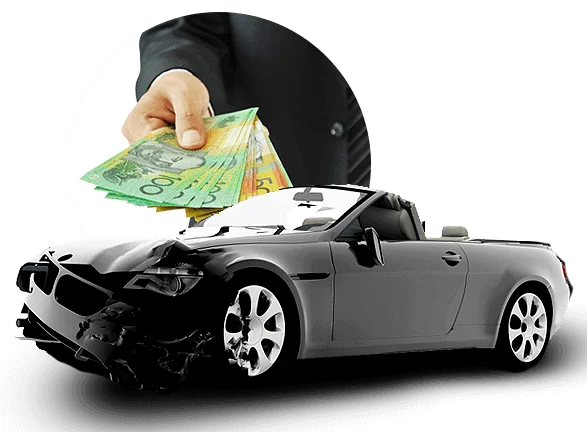
Many people sell an old, damaged, or unwanted vehicle without thinking about what happens after it leaves the driveway. Once the paperwork is complete and the vehicle is collected, it starts a new journey. That journey depends on the condition, age, and demand for the vehicle.
Some cars return to the road after repairs. Some become a source of spare parts. Others are recycled, and their materials are used to make new products. Every vehicle follows a different path, but very little goes to waste.
Learning what happens after the sale can help you understand how the automotive recycling industry works and why it plays an important role in reducing waste.
Visit: https://carremovaladelaide.com.au/
The Vehicle Is Checked First
The first step is a full inspection. The vehicle is examined to see its overall condition. Workers look at the engine, transmission, body panels, wheels, tyres, suspension, electrical parts, and interior.
They also check for:
- Accident damage
- Rust
- Missing parts
- Mechanical faults
- Registration details
- Vehicle identification numbers
This inspection helps decide whether the vehicle can be repaired, dismantled, or recycled.
Some Cars Are Repaired and Sold Again
Not every vehicle that is sold is ready for the scrapyard. Many cars still have plenty of life left in them.
If the repairs are practical, the vehicle may be fixed and prepared for another owner. This often includes replacing damaged parts, repairing the engine, repainting body panels, or fixing electrical problems.
Older vehicles that remain popular often return to the road because many people still look for lower-priced used cars.
Repairing a vehicle instead of building a new one also reduces the demand for new raw materials.
Vehicles with Heavy Damage Are Dismantled
When repairs are no longer practical, the vehicle is carefully dismantled.
Workers remove parts one by one. Many components remain in good condition even when the car itself cannot be driven again.
Common parts removed include:
- Engines
- Gearboxes
- Alternators
- Starter motors
- Radiators
- Doors
- Bonnets
- Headlights
- Mirrors
- Seats
- Wheels
- Suspension parts
- Air conditioning compressors
Each part is cleaned, inspected, and stored before being sold for reuse.
Used Parts Help Keep Other Cars on the Road
Many vehicle owners choose second-hand parts when repairing their cars.
Some parts from older models are no longer manufactured. Salvaged components become an important source for mechanics and vehicle owners searching for replacements.
Using recycled parts also reduces the number of new parts that need to be manufactured. This lowers the demand for mining, processing, and industrial production.
Fluids Are Removed Before Recycling
Cars contain several liquids that must be removed before recycling begins.
These include:
- Engine oil
- Coolant
- Brake fluid
- Transmission fluid
- Fuel
- Windscreen washer fluid
- Air conditioning refrigerant
These fluids cannot simply be poured away. They are collected using special equipment and handled under environmental guidelines.
Some fluids can even be cleaned and processed for future industrial use.
Removing liquids also prevents contamination during the recycling process.
Batteries Receive Special Treatment
Car batteries contain lead and acid, which require careful handling.
Instead of being thrown away, batteries are sent to recycling facilities.
The lead is melted and used to produce new batteries or other products. The plastic casing is also recycled into new plastic items.
Australia recycles a large percentage of lead-acid vehicle batteries, making them one of the country’s most commonly recycled products.
Tyres Follow Their Own Recycling Process
Tyres rarely end up in landfill when they are collected through vehicle recycling.
If the tread remains in good condition, the tyres may be sold for further use.
Damaged tyres are processed into smaller pieces. The rubber can later be used for:
- Playground surfaces
- Road construction
- Sports fields
- Rubber flooring
- Industrial products
Steel inside the tyre is separated and recycled as scrap metal.
Metal Makes Up Most of the Vehicle
Steel is the largest material found in most passenger vehicles.
Once reusable parts have been removed, the remaining shell is crushed and sent to metal recycling facilities.
Large shredding machines break the vehicle into small pieces.
Magnets separate steel from other materials.
Other metals such as aluminium, copper, and stainless steel are also sorted.
These recycled metals become raw materials for manufacturing many products, including:
- New vehicles
- Household appliances
- Building materials
- Machinery
- Construction equipment
Recycling metal requires much less energy than producing metal from newly mined ore.
Plastic Parts Are Also Recycled
Modern vehicles contain many plastic components.
These include:
- Bumpers
- Dashboard panels
- Interior trims
- Storage compartments
- Wheel arch liners
After sorting, many plastic parts are shredded, cleaned, and processed into pellets.
Manufacturers use these pellets to produce new plastic products.
Recycling plastic helps reduce waste while lowering the demand for new plastic production.
Glass Can Be Reused
Vehicle glass does not always become waste.
Windscreens, rear windows, and side windows are separated during dismantling.
Some glass is recycled into new automotive glass.
Other glass products become part of construction materials or insulation products.
Removing glass before crushing the vehicle also makes the recycling process safer.
Catalytic Converters Hold Valuable Metals
One small part of a vehicle can contain valuable materials.
The catalytic converter includes small amounts of precious metals such as platinum, palladium, and rhodium.
These metals help reduce harmful exhaust emissions while the vehicle is on the road.
When the vehicle reaches the end of its life, these metals are recovered and reused in new industrial products.
Because these metals are valuable, catalytic converters are removed before the vehicle shell is processed.
Electronics Continue to Grow in Modern Vehicles
Modern cars contain much more technology than older models.
Many vehicles now include:
- Cameras
- Sensors
- Navigation systems
- Electronic control units
- Parking systems
- Digital displays
Some electronic components remain suitable for reuse after testing.
Others are sent to electronic recycling facilities where metals and other materials are recovered.
As vehicle technology continues to develop, electronic recycling is becoming a larger part of automotive dismantling.
Every Vehicle Has a Different Ending
No two vehicles follow exactly the same path.
A well-maintained vehicle with minor damage may return to the road.
A heavily damaged vehicle may provide hundreds of reusable parts.
An older vehicle with severe rust may be recycled almost entirely for its metal.
The final outcome depends on factors such as:
- Vehicle age
- Mechanical condition
- Accident history
- Demand for spare parts
- Metal market conditions
- Repair costs
This is why every inspection plays an important role before any work begins.
Why Vehicle Recycling Matters
Australia has millions of registered vehicles. Every year, many reach the end of their working life.
Without recycling, old vehicles would occupy large areas of land while creating environmental problems.
Vehicle recycling helps reduce waste by recovering materials that still have practical use.
It also lowers the demand for newly mined metals and manufactured materials.
According to industry estimates, around three-quarters of a typical vehicle can be recovered and reused through modern recycling methods, while ongoing improvements continue to increase this percentage.
This makes automotive recycling one of the most active forms of material recovery.
Choosing the Right Buyer Can Make a Difference
When it is time to sell an unwanted vehicle, it helps to choose a business that understands how each vehicle should be handled after collection. A company offering a car buyer Adelaide service, such as Car Removal Adelaide, can collect vehicles in many different conditions before they move through inspection, dismantling, parts recovery, and metal recycling. This process helps keep usable components in circulation while reducing the amount of material that would otherwise become waste, making the journey of the vehicle continue in a practical way even after it leaves its last owner.
Final Thoughts
Selling a vehicle is only the beginning of its next stage. After collection, every car is inspected to determine the most suitable path. Some return to the road after repairs. Others provide parts that keep similar vehicles running for many more years. Those that reach the end of their working life still supply metal, glass, plastics, rubber, and valuable materials that can be used again.
Very little of a vehicle is wasted today. Careful dismantling and recycling allow many materials to serve another purpose, reducing unnecessary waste and making better use of resources. Every unwanted car has the potential to contribute long after its final drive, showing that the end of ownership is often the beginning of something new.