
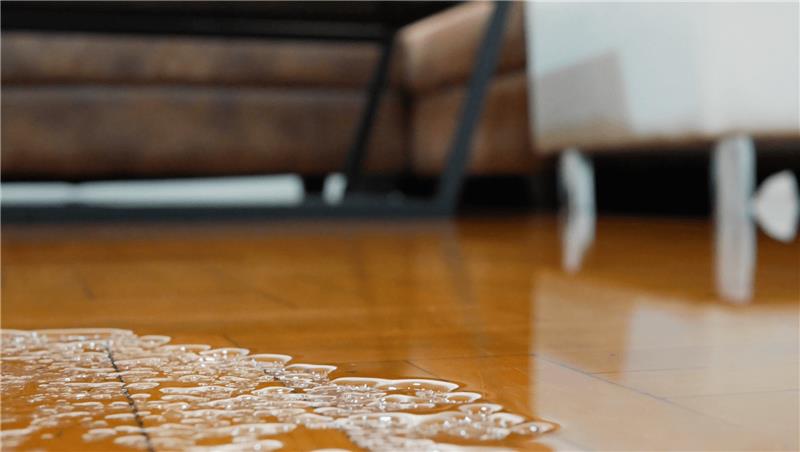
Water can damage your home in just a few minutes. A broken pipe, heavy rain, overflowing sink, or leaking roof can quickly turn into a costly problem. Water spreads fast and soaks into walls, floors, furniture, and other building materials. If you do not remove the water quickly, mold can begin to grow within one or two days.
That is why water damage restoration is so important. It helps remove water, dry your home, clean affected areas, and repair the damage before it becomes worse. Professional restoration services help homeowners recover faster and protect their property from long-term damage.
In this guide, you will learn what water damage restoration is, why it matters, what causes water damage, and how professionals restore your home safely.
What Is Water Damage Restoration?
Water damage restoration is the process of cleaning, drying, repairing, and restoring a property after water damage. The goal is to return your home or business to a safe, clean, and comfortable condition.
Restoration professionals use special equipment to remove standing water, dry hidden moisture, sanitize affected areas, and repair damaged materials. They also check for mold and other problems that can develop after water damage.
The restoration process starts as soon as possible because fast action helps reduce damage and lowers repair costs.
Why Water Damage Restoration Is Important
Many people think they can simply wipe up the water and move on. Unfortunately, water often hides behind walls, under floors, and inside ceilings. Hidden moisture can continue causing damage even after the surface looks dry.
Professional water damage restoration helps:
- Prevent mold growth
- Protect the structure of your home
- Save flooring and furniture
- Improve indoor air quality
- Reduce repair costs
- Restore your home safely
- Prevent future problems
The sooner restoration begins, the better the results.
Common Causes of Water Damage
Water damage can happen in many different ways. Some problems happen suddenly, while others develop slowly over time.
Burst Pipes
A burst pipe is one of the most common causes of water damage. Cold weather, high water pressure, old plumbing, or corrosion can cause pipes to break and release large amounts of water.
Roof Leaks
A damaged roof allows rainwater to enter your home. Missing shingles, cracked flashing, or clogged gutters can all lead to roof leaks.
Heavy Rain and Storms
Strong storms can cause flooding around your home. Water may enter through doors, windows, basements, or foundation cracks.
Appliance Leaks
Household appliances can also cause water damage. Washing machines, dishwashers, refrigerators, and water heaters may leak because of worn hoses or damaged connections.
Overflowing Fixtures
A clogged toilet, bathtub, or sink can overflow and spread water throughout your home. Even clean water can damage flooring and drywall if it sits too long.
Sewer Backups
A sewer backup is one of the most serious types of water damage. It contains harmful bacteria and requires professional cleanup and disinfection.
Signs You Need Water Damage Restoration
Sometimes water damage is easy to see. Other times it hides in places that are difficult to inspect.
Look for these warning signs:
- Water stains on walls or ceilings
- Peeling paint or wallpaper
- Soft or swollen drywall
- Warped wood floors
- Damp carpet
- Musty smells
- Mold spots
- Bubbling paint
- Increased indoor humidity
- Standing water
Even if you notice only one of these signs, it is a good idea to inspect your home before the damage spreads.
What Happens If You Ignore Water Damage?
Ignoring water damage can create much bigger problems.
Water weakens drywall, damages wood, ruins insulation, and affects your home’s structure. Over time, mold begins to grow in damp areas. Mold spreads through the air and may affect indoor air quality.
Ignoring water damage may also increase repair costs because small problems often become major repairs.
Quick restoration protects your home and saves money in the long run.
The Water Damage Restoration Process
Professional restoration companies follow a careful step-by-step process to restore your property.
Step 1: Emergency Inspection
The first step is a complete inspection.
Technicians examine the affected areas, find the source of the water, measure moisture levels, and create a restoration plan.
This inspection helps them understand how much damage has occurred.
Step 2: Water Extraction
Next, professionals remove standing water using powerful pumps and industrial wet vacuums.
Removing water quickly helps prevent additional damage and speeds up the drying process.
Step 3: Drying and Dehumidification
Even after removing visible water, moisture remains inside walls, floors, ceilings, and furniture.
Professionals use commercial air movers and dehumidifiers to remove hidden moisture.
They also monitor moisture levels every day to make sure everything dries completely.
Step 4: Cleaning and Sanitizing
Water damage often leaves behind dirt, bacteria, and unpleasant odors.
Restoration professionals clean and disinfect affected surfaces using professional cleaning products.
They also remove odors with specialized deodorizing equipment.
Step 5: Mold Prevention
Moisture creates the perfect environment for mold growth.
Professionals apply antimicrobial treatments to help reduce the chance of mold developing during the drying process.
They also inspect hidden spaces where mold commonly grows.
Step 6: Repair and Restoration
After drying and cleaning, the restoration team repairs damaged materials.
Repairs may include:
- Replacing drywall
- Installing new flooring
- Repairing ceilings
- Painting walls
- Replacing insulation
- Repairing trim
- Restoring cabinets
- Rebuilding damaged rooms if necessary
The goal is to return your property to its condition before the water damage happened.
Different Types of Water Damage
Not every water damage situation is the same. Restoration professionals classify water into different categories based on contamination.
Clean Water
Clean water comes from sources such as broken water supply lines, faucets, or water heaters.
Although clean water is generally safe at first, it should still be removed quickly because it can become contaminated over time.
Gray Water
Gray water comes from washing machines, dishwashers, or sink overflows.
It contains dirt and bacteria that may cause illness if not handled properly.
Black Water
Black water is the most dangerous type.
It comes from sewage backups, river flooding, or standing floodwater.
Black water contains harmful bacteria, viruses, and other contaminants. Only trained restoration professionals should clean this type of water damage.
Equipment Used During Water Damage Restoration
Professional restoration companies use advanced equipment to complete the job safely and efficiently.
Common equipment includes:
- Water extraction pumps
- Industrial wet vacuums
- High-speed air movers
- Commercial dehumidifiers
- Moisture meters
- Thermal imaging cameras
- Air scrubbers
- HEPA filtration systems
These tools help technicians find hidden moisture and dry the property much faster than household equipment.