
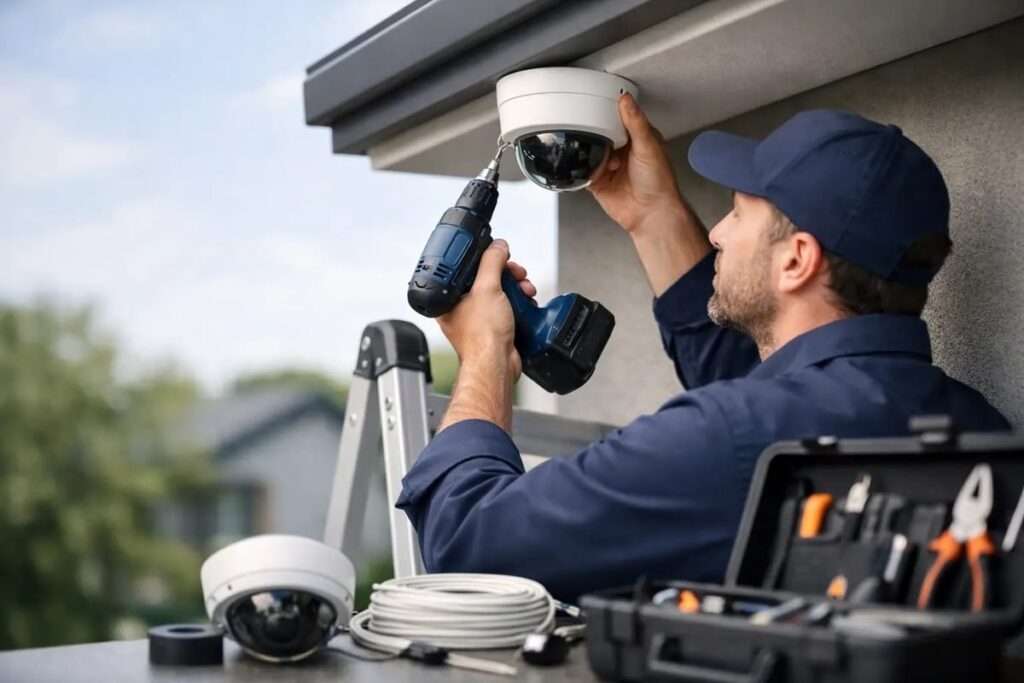
Businesses and homeowners rely on technology more than ever to protect their properties, monitor daily activities, and maintain uninterrupted communication. As security concerns continue to grow, investing in a reliable surveillance system has become a practical necessity rather than an optional upgrade. However, the effectiveness of any security solution depends not only on the quality of the cameras but also on the strength of the network infrastructure supporting them.
A professionally designed surveillance system combined with a well-planned cabling infrastructure creates a foundation for long-term reliability, better performance, and easier maintenance. High-definition cameras generate large amounts of data that must travel through dependable network cables without interruption. If the cabling system is poorly installed or outdated, even the most advanced cameras may suffer from connectivity issues, recording failures, or degraded image quality.
Whether you operate a corporate office, warehouse, retail store, healthcare facility, manufacturing plant, educational institution, or residential property, combining modern surveillance with organized network infrastructure provides greater security and operational efficiency. Businesses also benefit from improved scalability because future technology upgrades become much easier when the underlying cabling system has been designed correctly.
This guide explains how security camera systems and structured cabling work together, why professional installation matters, and how businesses can create a reliable infrastructure that supports both current and future technology requirements.
Why Modern Surveillance Matters
Security cameras have evolved far beyond simple video recording devices. Today’s surveillance systems provide intelligent monitoring, remote access, motion detection, facial recognition, license plate recognition, cloud storage, mobile notifications, and AI-powered analytics that help property owners respond quickly to potential security incidents.
For businesses, surveillance systems protect employees, visitors, inventory, equipment, confidential information, and customer assets. Recorded footage also supports internal investigations, insurance claims, compliance requirements, and law enforcement when necessary.
Residential properties benefit equally from surveillance technology. Homeowners can monitor entrances, driveways, garages, and outdoor spaces while receiving instant alerts whenever unusual activity occurs. Smart integration also allows users to view live video from smartphones regardless of their location.
The primary objective of surveillance is not simply recording events after they occur. A visible security system often discourages criminal activity before it begins, reducing risks while creating a safer environment for everyone.
Benefits of Professional Camera Installation
Many people assume installing surveillance cameras involves mounting equipment on walls and connecting power. In reality, designing an effective surveillance system requires careful planning to maximize visibility, eliminate blind spots, optimize storage capacity, and ensure stable network performance.
Professional installation begins with evaluating the property’s layout and identifying high-risk areas. Camera placement must consider lighting conditions, viewing angles, entry points, parking areas, hallways, emergency exits, and other critical locations.
Experienced technicians also determine whether wired or wireless systems are appropriate, configure recording devices, establish secure network communication, and optimize video quality for both daytime and nighttime operation.
Proper installation offers several advantages:
- Improved camera coverage
- Reduced blind spots
- Reliable recording quality
- Better remote access
- Increased system lifespan
- Simplified maintenance
- Enhanced cybersecurity
- Easier future expansion
Professional planning ensures that surveillance equipment performs consistently while minimizing operational issues that often occur with improperly installed systems.
Understanding Structured Cabling
A structured cabling system serves as the communication backbone of modern buildings. Rather than installing cables randomly whenever new equipment is added, structured cabling organizes the entire network into a standardized infrastructure that supports data, voice, video, wireless networking, security devices, and future technology upgrades.
Businesses depend on organized cabling because nearly every connected device requires stable communication. Computers, servers, VoIP phones, wireless access points, surveillance cameras, access control systems, printers, and smart building technologies all benefit from a properly designed network.
Structured cabling improves network reliability while making maintenance significantly easier. When cables are clearly labeled, professionally terminated, and organized inside communication racks, technicians can quickly identify problems without disrupting other systems.
Well-designed infrastructure also reduces future installation costs because additional equipment can be integrated without replacing existing wiring.
Planning a Reliable Security Infrastructure
Effective surveillance begins with careful planning rather than equipment selection. Every property has unique security requirements based on its size, layout, occupancy, operational hours, and potential vulnerabilities.
Planning should identify critical monitoring locations, expected storage duration, lighting conditions, internet connectivity, network bandwidth, and future expansion requirements. Businesses should also evaluate cybersecurity because surveillance systems connected to corporate networks must be protected from unauthorized access.
Modern systems often integrate multiple technologies including video surveillance, access control, alarm systems, visitor management, intercoms, and remote monitoring. Planning these systems together creates greater efficiency while reducing installation complexity.
Organizations should also consider redundancy by providing backup power supplies, network failover capabilities, and secure storage solutions that continue operating during unexpected outages.
How Modern Surveillance Systems Strengthen Business Security
Businesses seeking dependable surveillance solutions often invest in security camera installation Columbus Ohio to improve property visibility, monitor daily operations, strengthen workplace safety, reduce security risks, support remote monitoring, and create a scalable surveillance infrastructure that protects employees, customers, and valuable business assets.
Professionally installed systems provide optimized camera placement, secure network integration, and long-term reliability while allowing organizations to expand surveillance coverage as operational needs continue to grow.
The Importance of Organized Network Cabling
Surveillance cameras depend on reliable communication infrastructure to transmit high-definition video continuously. Poor-quality cabling may introduce signal loss, unstable connections, delayed recordings, or complete communication failures.
Modern businesses increasingly deploy Power over Ethernet (PoE) technology, allowing network cables to transmit both electrical power and data simultaneously. This simplifies installation while reducing infrastructure costs.
Organized cable pathways improve airflow inside equipment rooms, reduce accidental damage, simplify maintenance, and support future equipment additions. Proper cable management also improves the overall appearance of network installations while making troubleshooting significantly faster.
High-quality cabling infrastructure contributes to better network performance across the entire organization, not only for surveillance systems but also for wireless networking, cloud applications, communication platforms, and business software.
Building a Scalable Network Infrastructure for Modern Businesses
Professional structured cabling installation services provide standardized network infrastructure that supports surveillance systems, business communication, wireless networking, data transmission, access control, cloud technologies, and future expansion while improving reliability, reducing maintenance complexity, and ensuring long-term operational efficiency.
Organizations that invest in structured cabling gain a flexible technology foundation capable of adapting to evolving business requirements without extensive infrastructure replacement.
Best Practices for Long-Term Performance
Installing surveillance equipment and structured cabling is only the beginning of maintaining a reliable security environment. Regular inspections, preventive maintenance, firmware updates, and network testing help ensure continued performance.
Camera lenses should remain clean to preserve image quality, while recording devices require periodic storage verification. Network switches, patch panels, and communication racks should also be inspected regularly for loose connections, excessive heat, or cable damage.
Software updates improve system security while introducing new features and performance enhancements. Organizations should also review user permissions periodically to ensure only authorized personnel can access surveillance footage and system controls.
Routine maintenance reduces unexpected failures while extending equipment lifespan and maintaining consistent operational reliability.
Preparing for Future Business Growth
Technology evolves rapidly, and businesses must plan infrastructure that supports future expansion rather than meeting only current requirements. Additional cameras, wireless access points, IoT devices, cloud applications, and security technologies will likely become necessary as organizations grow.
Scalable infrastructure minimizes disruption during upgrades because organized cabling and modular network design simplify equipment additions. Businesses also benefit from lower long-term installation costs since much of the supporting infrastructure already exists.
Choosing industry-standard cabling, enterprise-grade networking equipment, and expandable recording systems helps organizations maximize their investment while remaining prepared for future technological developments.
Conclusion
Security camera systems and structured cabling are no longer independent technologies. Together they create a powerful foundation that supports physical security, operational efficiency, network reliability, and long-term business growth. A professionally designed surveillance solution backed by organized network infrastructure delivers dependable performance while reducing maintenance challenges and supporting future expansion.
Rather than focusing solely on purchasing high-resolution cameras, organizations should invest in a complete infrastructure strategy that includes quality cabling, secure networking, professional installation, and ongoing maintenance. This integrated approach improves system reliability, strengthens property protection, enhances employee safety, and ensures surveillance technology continues delivering value for years to come.
Whether protecting a commercial facility, educational institution, healthcare organization, industrial site, or residential property, combining advanced surveillance technology with professionally designed cabling infrastructure provides a future-ready solution capable of adapting to changing security and communication needs.