
Introduction
As businesses grow, the need for additional storage, office, and operational space often becomes a challenge. Moving to a larger facility can be expensive and disruptive, while building extensions require significant investment and planning. Mezzanine floor kits provide a practical solution by transforming unused vertical space into valuable working areas.
Designed as pre-engineered, modular systems, mezzanine floor kits can be installed within existing buildings to create additional floor levels for storage, offices, production areas, and retail displays. Their versatility, affordability, and ease of installation make them a popular choice across many industries.
What Are Mezzanine Floor Kits?
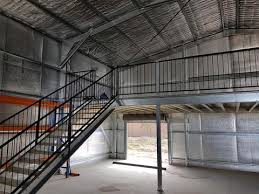
A mezzanine floor kit is a prefabricated structural system that creates an intermediate floor between the ground floor and ceiling of a building. Unlike traditional construction, these kits are manufactured off-site and assembled quickly on location.
Most mezzanine kits include:
- Structural steel columns and beams
- Floor decking panels
- Staircases
- Handrails and safety barriers
- Fixings and installation components
Because they are modular, mezzanine floor kits can often be expanded, relocated, or reconfigured as business needs change.
Benefits of Mezzanine Floor Kits
1. Maximize Existing Space
One of the biggest advantages is the ability to utilize vertical space that would otherwise remain unused. Businesses can effectively increase usable floor area without extending the building.
2. Cost-Effective Expansion
Compared to relocating or constructing an extension, mezzanine floor kits require significantly less investment while delivering similar space benefits.
3. Quick Installation
Prefabricated components are manufactured off-site, reducing installation time and minimizing disruption to daily operations.
4. Flexible Design
Mezzanine systems can be customized for various applications, including storage platforms, offices, production areas, and retail spaces.
5. Future Scalability
Many modular mezzanine systems can be modified or expanded as operational requirements evolve.
6. Increased Property Value
Adding functional floor space can improve the overall value and efficiency of a commercial property.
Common Applications
Warehouse Storage
Warehouses frequently use mezzanine floor kits to create additional storage capacity without increasing the building footprint.
Office Space
Many companies install mezzanine offices above warehouse or production areas, allowing management teams to oversee operations while preserving valuable floor space.
Manufacturing Facilities
Manufacturers use mezzanines for production support areas, equipment platforms, and inventory storage.
Retail Stores
Retail businesses utilize mezzanine levels for product displays, stock storage, and customer service areas.
E-Commerce Operations
Online retailers often install mezzanines to support picking, packing, and inventory management processes.
Types of Mezzanine Floor Kits
Storage Mezzanines
Designed primarily for inventory storage and warehouse applications.
Office Mezzanines
Built to accommodate workstations, meeting rooms, and administrative areas.
Industrial Mezzanines
Engineered for heavy-duty applications and equipment support.
Rack-Supported Mezzanines
Utilize existing pallet racking systems as structural support, maximizing storage density.
Shelving-Supported Mezzanines
Ideal for facilities requiring extensive small-parts storage.
Key Design Considerations
Load Capacity
The intended use determines the required load-bearing capacity. Storage areas generally require higher load ratings than office spaces.
Ceiling Height
Adequate clearance must be maintained both above and below the mezzanine level.
Access Requirements
Staircases, safety gates, and material handling systems should be planned during the design phase.
Safety Compliance
Guardrails, handrails, anti-slip surfaces, and fire safety requirements must comply with local building regulations.
Future Expansion
Choosing a modular system allows for easier expansion as business requirements change.
Installation Process
Step 1: Site Assessment
Engineers evaluate the building structure, dimensions, and intended use.
Step 2: Design and Engineering
Custom drawings and load calculations are developed to ensure structural integrity.
Step 3: Manufacturing
Components are fabricated according to project specifications.
Step 4: Delivery and Assembly
The kit is delivered and assembled on-site with minimal disruption.
Step 5: Final Inspection
Safety features and structural elements are inspected before the mezzanine becomes operational.
Maintenance Tips
To maximize lifespan and safety:
- Conduct regular structural inspections
- Check bolts and connections periodically
- Inspect decking for wear and damage
- Maintain handrails and safety barriers
- Avoid exceeding load limits
- Address repairs promptly
Choosing the Right Supplier
When selecting a mezzanine floor kit provider, consider:
- Industry experience
- Engineering capabilities
- Customization options
- Compliance with safety standards
- Installation support
- Warranty coverage
- Customer reviews and references
Conclusion
Mezzanine floor kits offer an efficient and affordable way to unlock unused vertical space within commercial and industrial buildings. Whether used for storage, offices, manufacturing, or retail operations, these modular systems provide rapid installation, flexibility, and long-term value. By investing in a well-designed mezzanine solution, businesses can increase capacity, improve productivity, and support future growth without the expense of relocation or major construction.