
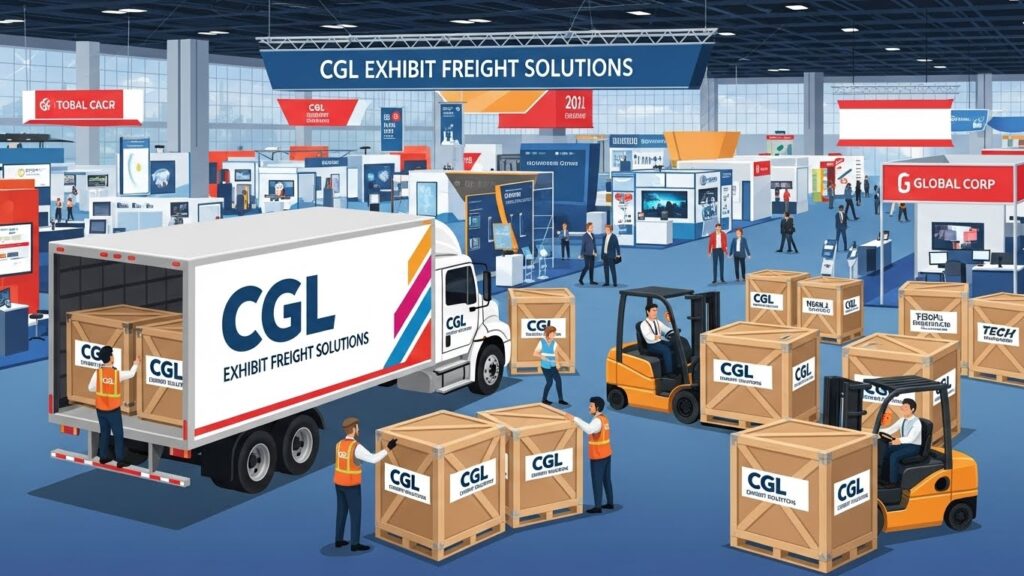
Imagine you are managing a major product launch in Las Vegas, and your shipment is stuck somewhere between warehouses and terminals. The event is tomorrow, and your entire setup depends on that delivery arriving on time. In situations like this, the first question that comes to mind is simple—how fast can your goods actually move from one place to another when every hour matters?
Speed in logistics is not just about distance; it is about systems, coordination, and timing. In the United States alone, billions of tons of freight move every year, and businesses rely on different transport methods depending on urgency.
Air transportation is known for covering long distances in a matter of hours, while road transport offers direct routes without airport delays or strict scheduling constraints. However, the real answer to “which is faster” is not as straightforward as it seems.
This is where the comparison becomes important. When businesses are deciding between air cargo and road-based urgent delivery, they are essentially choosing between two different systems of speed and efficiency. To understand which option performs better in real-world conditions, it is necessary to break down how each method works and where it fits best in a fast-moving logistics environment like Las Vegas.
Understanding Air Freight in Simple Terms
Air freight means transporting goods by airplane, usually through commercial cargo flights or dedicated freight planes. It is often considered the fastest long-distance shipping method available.
In most cases, air freight follows a structured process that starts with picking up the cargo and transporting it to the airport, where it goes through security screening and cargo processing before being loaded onto a flight.
After the aircraft reaches the destination airport, the shipment still needs to pass through customs clearance if it is international, followed by final ground delivery to the end location. Although the flight itself is very fast, the overall timeline often becomes longer because of waiting periods at airports, handling procedures, and fixed airline schedules that add extra steps before and after the actual air journey.
For example:
- A flight from Las Vegas to Los Angeles may take about 1 hour in the air
- But total delivery time often becomes 6 to 12 hours or more due to processing
So, while the flying itself is fast, the entire system adds layers of time.
Understanding Expedited Trucking
Expedited trucking is a road-based shipping method where cargo is moved directly by truck with priority handling. Unlike standard freight, it is designed specifically for urgent deliveries.
In this system, the cargo usually:
- Travels directly from pickup to destination
- Avoids unnecessary warehouse stops
- May use dedicated drivers or teams
- Operates on a continuous driving schedule
Because there are no airport delays, security lines, or flight schedules, trucking offers more control over timing.
For example:
- Las Vegas to Phoenix: around 5 hours by road
- Las Vegas to Los Angeles: around 4 to 5 hours
- Las Vegas to Salt Lake City: around 6 to 7 hours
In many regional routes, trucks can deliver within the same day.
Speed Comparison: Air Freight vs Expedited Trucking
To make it clearer, here is a simple breakdown:
| Factor | Air Freight | Expedited Trucking |
| Transit speed (in motion) | Fastest | Slower than air |
| Total delivery time | Medium to fast | Often faster for regional routes |
| Delays (handling, terminals) | Higher | Lower |
| Distance advantage | Long-distance | Short to mid-distance |
| Schedule flexibility | Limited (flight times) | High (on-demand routing) |
From this comparison, one key point stands out: air freight is faster in the air, but trucking can be faster overall in many real-world situations.
Why Distance Matters More Than You Think
Speed in logistics does not depend only on whether a shipment travels by air or by road. Distance plays a major role in deciding which option is actually faster in real-world conditions. A method that looks faster on paper may not always deliver quicker when all steps of the journey are included.
- Long-Distance Shipments
For long-distance routes, air freight usually comes out ahead. When goods need to move from Las Vegas to cities like New York or even international destinations, flying significantly reduces travel time compared to road transport. Even after adding airport processing and handling time, air transport still covers the large distance in a much shorter period than trucking ever could. This makes it the preferred option when speed over long distances is the main priority.
- Regional Shipments
For shorter or regional routes, expedited trucking often becomes the faster choice. When shipments move from Las Vegas to nearby states such as California, Arizona, or Utah, road transport avoids airport procedures, waiting times, and transfer delays. Instead, goods move directly from pickup to delivery, which often results in quicker overall arrival. In these cases, direct routing gives trucking a practical advantage over air freight despite its slower travel speed in motion.
Hidden Time Factors Most People Ignore
When comparing speed, many businesses only look at travel time. However, real logistics includes extra steps that change the outcome.
1. Airport Processing Time
Air freight requires:
- Security checks
- Cargo loading/unloading
- Flight scheduling windows
These steps can add several hours.
2. Road Flexibility
Trucking allows:
- Direct pickup and drop-off
- Route adjustments in real time
- No waiting for departure schedules
3. Final Delivery Time
Even after air freight lands, goods still need:
- Ground transport
- Local coordination
- Final-mile delivery
This is where trucking can catch up or even overtake air freight in total speed.
When Air Freight Becomes the More Practical Choice
Air freight is usually the better option in situations where speed over long distances is critical and delivery timing must remain highly predictable. It works best when goods need to travel across states or international borders quickly, especially when road transport would take significantly longer. It is also preferred for shipments that are high in value or sensitive in nature, where faster transit reduces the risk of delays or damage. Because of its reliability and controlled scheduling, air freight is commonly used for items such as electronics, medical supplies, and international cargo that must reach their destination within a fixed and dependable timeframe.
In practical terms, businesses choose air freight when they need to meet strict shipping requirements such as:
- Delivering urgent or time-sensitive goods across long distances
- Transporting fragile, high-value, or temperature-sensitive products
- Meeting fixed deadlines where delays are not acceptable
These conditions make air freight a strong choice when reliability and speed must work together.
When Expedited Trucking Is the Better Option
Expedited trucking is the preferred choice when shipments need to move quickly over shorter or regional distances without the delays that often come with air transport. It is especially effective when timing is important but still flexible enough to allow direct road delivery. Since trucks can operate on demand and follow direct routes, they are often used when goods must reach their destination without unnecessary stops or transfers.
In real-world logistics, this option works best when:
- The destination is within a few hundred miles of the pickup point
- Delivery schedules need flexibility and real-time adjustments
- The shipment must travel directly from origin to destination without handling delays
Due to these benefits, numerous businesses in Nevada depend on expedited trucking for regional distribution. It minimizes touchpoints in the supply chain, decreasing handling risks and improving control over delivery schedules. This is especially true for industries such as events, retail, and manufacturing that require quick and reliable ground transportation, making expedited shipping in Las Vegas highly valuable.
Conclusion
Air freight and expedited trucking are both essential parts of modern logistics, but they solve different problems. Air freight is most effective when goods need to move quickly over long distances, especially across states or international borders, where time savings are significant. On the other hand, expedited trucking is often more practical for regional deliveries because it offers direct routes, fewer handling points, and more control over timing.
In a logistics-focused location like Las Vegas, where businesses deal with tight schedules and time-sensitive shipments, choosing the right option depends on a clear understanding of distance, urgency, and cargo type. Instead of assuming one method is always faster, it is more useful to evaluate the full delivery process from pickup to final drop-off. When businesses make decisions based on these factors, they can improve reliability, reduce delays, and keep their supply chain running efficiently without unnecessary disruptions.