
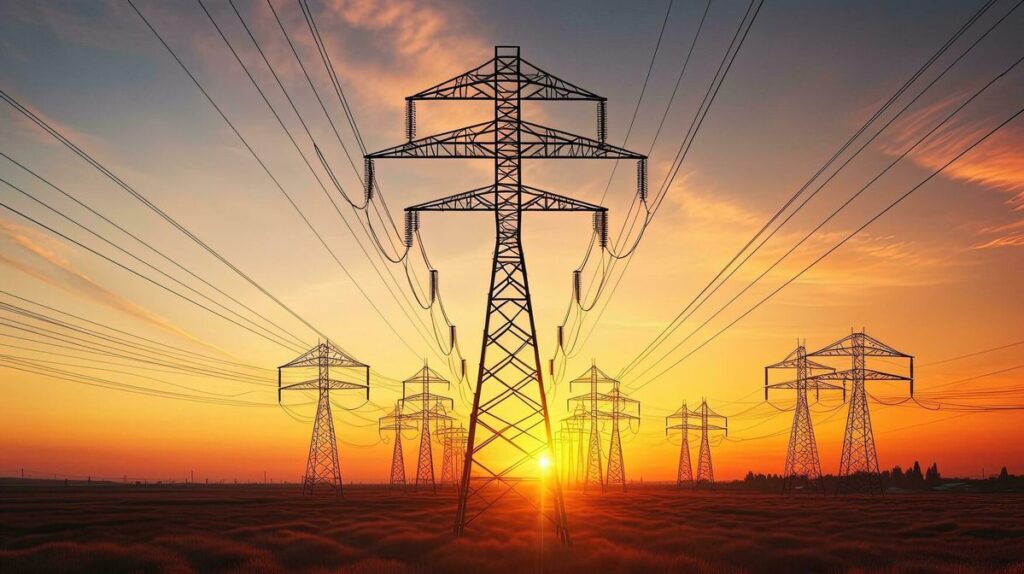
If you’ve ever looked at a transmission tower up close, you realize something quickly—it’s not just a steel structure standing in a field. It carries responsibility. Power supply depends on it. Entire regions rely on it staying upright through wind, rain, heat, and time.
That’s why selecting the right Transmission Line Tower Manufacturer is not a casual decision. It shapes the reliability of your entire project, sometimes for decades.
Let’s talk about what actually matters. Not the brochure version—the real things people learn only after dealing with delays, weak structures, or poor service.
It Starts with Experience, But Not Just Years
People often ask, “How many years has the manufacturer been in business?” Fair question. But years alone don’t say much.
What matters more is the kind of projects they’ve handled.
A manufacturer who has worked on high-voltage lines, different terrains, or large-scale grid networks brings a different level of understanding. They’ve already faced design complications, site issues, and execution pressure. That experience shows in small decisions—joint strength, material selection, even packaging.
I once saw two suppliers with similar profiles on paper. One had done mostly local work. The other had handled interstate transmission lines. The difference in detailing? Very clear.
Manufacturing Setup Tells a Story
You don’t need to be an engineer to notice a good facility.
Walk into a plant, and you’ll see it. Organized workflow. Proper galvanizing setup. Testing areas that aren’t just for show.
Transmission towers depend heavily on precision. A slight variation in fabrication, a poor weld, or uneven coating—it all adds up. Over time, these small things become big problems.
Reliable manufacturers invest in machinery and process control. Not because it looks impressive, but because it reduces failure later.
And honestly, if a company hesitates to show their facility, that itself says something.
Raw Material Quality Is Non-Negotiable
This part gets overlooked more often than it should.
Steel quality directly affects tower strength. No workaround here.
A serious manufacturer will source certified raw materials and maintain traceability. You should be able to ask where the steel came from and get a clear answer. Not vague statements.
There’s a simple logic. Transmission towers face environmental exposure for years—rain, humidity, sometimes extreme heat. Poor material doesn’t survive long under those conditions.
Cutting corners here saves money only at the beginning. Later, it costs much more.
Design Capabilities Matter More Than You Think
Some buyers assume all manufacturers work from provided drawings. That’s not always the case.
Strong manufacturers have in-house design teams or at least close coordination with design experts. This becomes critical when project requirements change, which happens quite often.
Wind load variations. Soil conditions. Height adjustments.
Without design support, even small modifications turn into delays.
Also, a manufacturer who understands design is less likely to blindly follow flawed specifications. They catch issues early.
That alone can save weeks, sometimes months.
Compliance and Standards Aren’t Just Formalities
Standards exist for a reason.
Whether it’s IS standards or international ones, compliance ensures consistency in strength, durability, and safety. A trustworthy manufacturer doesn’t treat certifications as paperwork.
They follow proper testing routines. Load testing. Coating thickness checks. Dimensional accuracy.
Ask for documentation. Not summaries—actual reports.
A serious company won’t hesitate.
Delivery Capability Is Often Underrated
Deadlines in infrastructure projects are tight. And delays don’t stay isolated. One delay affects everything else.
So yes, production capacity matters.
But it’s not only about how much they can produce. It’s also about how they manage logistics.
Can they handle bulk orders without compromising quality?
Do they have a system for packaging and transport that prevents damage?
These things don’t show up in brochures, but they affect execution on site.
I’ve seen projects where materials arrived late or damaged. The result—extra costs, frustrated teams, and timeline extensions.
Pricing… but with Context
Everyone compares prices. That’s natural.
But comparing only the final number doesn’t give the full picture.
A lower quote might exclude certain processes. Or use lower-grade materials. Or skip detailed testing.
On the other hand, a slightly higher quote might include better coating, stricter quality checks, and reliable delivery.
It’s not about choosing the cheapest option. It’s about understanding what you’re paying for.
If possible, break down the cost components. That helps in making a clearer decision.
Communication Style Reveals a Lot
This one is subtle but important.
How does the manufacturer communicate during early discussions?
Quick responses. Clear answers. Willingness to explain details.
Or delays, vague replies, and constant follow-ups needed.
This behavior doesn’t change later. It usually becomes more visible during the project.
Good communication avoids confusion. It also builds trust.
And in long projects, trust becomes valuable.
Track Record and Client Feedback
Past work speaks louder than any sales pitch.
Ask for project references. Not just names—details.
What kind of projects? What scale? Any challenges faced?
If possible, talk to previous clients. Even a short conversation gives insight you won’t find elsewhere.
According to industry observations, companies with consistent repeat clients tend to maintain better quality and service standards. People return when things work well.
That’s a sign worth noting.
Flexibility During Execution
No project goes exactly as planned.
There are always changes. Sometimes small. Sometimes not.
A rigid manufacturer struggles here. A flexible one adapts.
This doesn’t mean compromising on quality. It means being able to adjust production schedules, accommodate design tweaks, or handle urgent requirements.
You don’t realize how important this is until you face a situation where timelines suddenly shift.
Final Thought
Choosing a transmission line tower manufacturer isn’t just a procurement step. It’s more like choosing a long-term partner for a very visible, very critical part of your project.
The towers will stand out there for years. Quietly doing their job.
And somewhere behind that structure is the decision you made at the beginning.
Better to take a little more time there. It pays off later.