
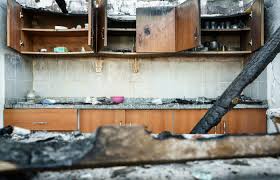
Severe storms can cause sudden and serious damage to homes and businesses. Strong winds can tear off roofs, heavy rain can flood rooms, and flying debris can break windows and walls. In just a few minutes, a safe and comfortable property can turn into a dangerous and damaged place.
After the storm ends, many property owners feel stressed and confused. They see broken structures, standing water, and scattered debris. Some problems are visible, but many others stay hidden inside walls, ceilings, and floors. If you do not fix these issues quickly, the damage can spread and become worse.
This is where storm damage restoration becomes very important. It helps clean, repair, and rebuild your property after storm damage. It also restores safety, comfort, and normal life as quickly as possible.
In this blog, we will explain what storm damage restoration is, how it works, and how it helps you recover after severe weather.
What Is Storm Damage Restoration?
Storm damage restoration is the process of repairing a property after damage caused by storms. It includes fixing wind damage, water damage, roof damage, and structural issues.
The main goal is to bring your property back to a safe and usable condition. Restoration experts handle everything from cleaning up debris to rebuilding damaged areas.
Storm damage restoration usually includes:
- Removing water and moisture
- Cleaning debris and damaged materials
- Repairing roofs, walls, and windows
- Drying affected areas
- Preventing mold growth
- Restoring indoor safety and comfort
It is a complete recovery process, not just a simple cleanup.
How Storms Cause Property Damage
Storms can damage a property in many different ways at the same time. Understanding this helps you see why restoration is necessary.
Strong Winds
High winds can tear off roofing materials, break windows, and damage siding. Flying objects like tree branches can also hit buildings and cause serious harm.
Wind damage often leads to:
- Roof leaks
- Broken glass
- Damaged walls
- Fallen trees
Heavy Rain and Flooding
Storms often bring heavy rainfall. Water can enter homes through damaged roofs, doors, and windows.
Floodwater can:
- Soak carpets and floors
- Damage furniture
- Weakens walls and ceilings
- Lead to mold growth
Hail Damage
Hailstorms can damage roofs, windows, and outdoor structures. Even small hailstones can create cracks and weaken materials over time.
Lightning Damage
Lightning can damage electrical systems and appliances. It can also start fires in some cases.
Fallen Trees and Debris
Storms often knock down trees and scatter debris around properties. This can block entrances, damage roofs, and create unsafe conditions.
Why Storm Damage Restoration Is Important
Storm damage does not stay the same. It gets worse if you ignore it. Water spreads, mold grows, and structures weaken over time.
Storm damage restoration is important because it:
- Stops damage from spreading
- Protects your property’s structure
- Keeps your home or business safe
- Reduces long-term repair costs
- Restores normal life faster
Without restoration, even small damage can turn into major problems.
The Storm Damage Restoration Process
Professional restoration companies follow a step-by-step process to repair storm damage safely and effectively.
1. Emergency Inspection
The first step is a full inspection of the property. Experts check the extent of damage and identify unsafe areas.
They look for:
- Roof damage
- Broken windows
- Water leaks
- Structural weaknesses
- Electrical hazards
This helps them create a clear plan for restoration.
2. Securing the Property
Storms often leave properties exposed. Broken windows and damaged roofs allow more water and debris to enter.
Restoration teams secure the property by:
- Covering damaged roofs with tarps
- Boarding up broken windows
- Blocking unsafe areas
This step prevents further damage from happening.
3. Water Removal and Drying
If water enters the property, it must be removed quickly. Standing water can cause mold and structural damage.
Professionals use:
- Pumps to remove water
- Industrial vacuums
- Air movers
- Dehumidifiers
They dry all affected areas completely, including hidden spaces inside walls and floors.
4. Debris Cleanup
Storms leave behind a lot of debris such as:
- Broken glass
- Tree branches
- Damaged materials
- Mud and dirt
Restoration teams clean and remove all debris to make the area safe again.
5. Mold Prevention and Treatment
Moisture after storms creates the perfect environment for mold growth. Mold can start within 24 to 48 hours.
To prevent this, professionals:
- Dry all wet areas completely
- Clean affected surfaces
- Use anti-mold treatments
This helps protect both the property and your health.
6. Repair and Reconstruction
Once cleaning and drying are complete, repair work begins. This step restores the structure of the property.
Repairs may include:
- Fixing roofs
- Replacing drywall
- Repairing floors
- Installing new windows
- Rebuilding damaged areas
Some properties need small repairs, while others need full reconstruction.
How Storm Damage Restoration Helps You Recover
Storm damage restoration does more than fix visible problems. It helps restore safety, comfort, and normal life.
1. Restores Property Safety
Storm damage can make a building unsafe. Loose structures, broken glass, and water damage can create risks.
Restoration teams fix these issues and make the property safe to enter again.
2. Prevents Long-Term Structural Damage
Water and wind can weaken building materials over time. Restoration stops this process early and restores strength to the structure.
3. Stops Mold Growth
Moisture is the main cause of mold. Restoration removes water and dries the property quickly, preventing mold from spreading.
4. Improves Indoor Air Quality
Storm damage can lead to damp conditions and bad odors. Proper drying and cleaning improve air quality and make the space healthy again.
5. Saves Your Belongings
Many items damaged in storms can still be saved. Professionals clean and restore furniture, clothing, electronics, and important documents.
6. Reduces Repair Costs
Quick restoration prevents small damage from turning into major repairs. This helps save money in the long run.
7. Restores Comfort and Normal Life
After a storm, homes and businesses often feel disrupted. Restoration helps bring everything back to normal so people can return to their daily lives.
Signs You Need Storm Damage Restoration
You should call professionals if you notice:
- Water leaks inside your home
- Missing roof shingles
- Broken windows
- Flooded rooms
- Fallen trees or debris
- Musty smells
- Damp walls or ceilings
Even small signs of damage should not be ignored.
What Happens If You Ignore Storm Damage
Ignoring storm damage can lead to serious problems such as:
- Mold growth
- Weak building structure
- Electrical hazards
- Permanent water damage
- Higher repair costs
Damage always gets worse over time, not better.
Simple Tips to Reduce Storm Damage
You cannot stop storms, but you can reduce damage with preparation:
- Inspect your roof regularly
- Clean gutters and drains
- Trim trees near your property
- Secure loose outdoor items
- Install storm shutters
- Check windows and doors for leaks
These steps can help protect your property.
Final Thoughts
Storms can cause sudden and serious damage to homes and businesses. Wind, rain, hail, and debris can affect every part of a property. After the storm, hidden damage can continue to spread if not treated quickly.
Storm damage restoration plays a very important role in recovery. It removes water, repairs structures, prevents mold, and restores safety and comfort. It also helps reduce repair costs and saves valuable belongings.
Fast action is the key to successful recovery. The sooner restoration begins, the more damage you can prevent and the faster you can return to normal life.