
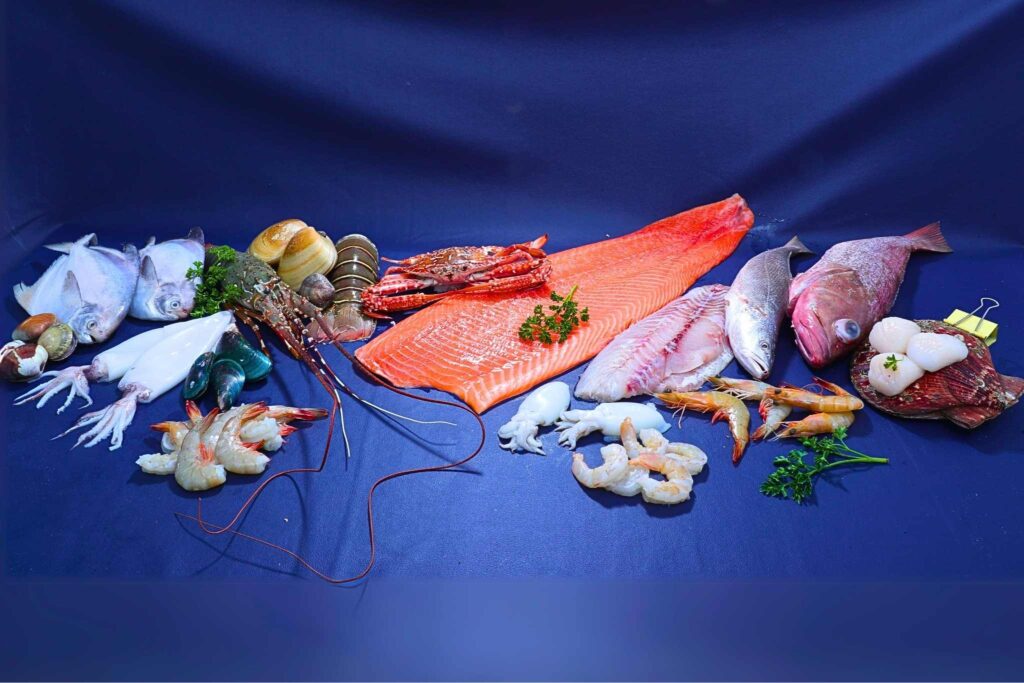
Fresh seafood can turn an ordinary meal into something memorable, but choosing high-quality fish and shellfish requires more than simply checking the sell-by date. Seafood is highly perishable, and its flavor, texture, safety, and nutritional value depend heavily on how it was handled from harvest to kitchen. Understanding what to look for makes shopping easier and helps prevent disappointing meals.
Whether you shop at a neighborhood fish market, grocery store, or seafood counter, knowing how to evaluate fresh seafood can make a noticeable difference. fresh seafood The goal is not necessarily to find seafood that was caught that morning. Instead, you want seafood that has been properly handled, kept cold, and maintained good quality throughout its journey.
What Makes Seafood Fresh?
Freshness is primarily about quality and proper handling. Fish naturally begins to deteriorate after harvest because enzymes and microorganisms gradually affect its flesh. Refrigeration slows this process, but it does not stop it completely.
One common misconception is that fresh fish must have a strong ocean smell. High-quality fish should generally have a mild, clean smell. A strong ammonia-like, sour, or unpleasant odor can indicate that the seafood is no longer at its best.
The appearance also provides useful clues. Whole fish should have clear, bright eyes rather than cloudy or sunken ones. The skin should look moist and naturally shiny, while the flesh should appear firm and resilient. When gently pressed, fresh fish should spring back instead of remaining indented.
Shellfish require different checks. Live clams, mussels, and oysters should generally be closed or close when tapped. Their shells should not be cracked or badly damaged. Live crustaceans such as lobster and crab should show signs of movement when sold alive.
How to Choose Fresh Seafood Step by Step
1. Start With the Smell
Use your sense of smell before making a purchase. Fresh fish typically has a clean, mild scent. Some species naturally have stronger aromas than others, but the smell should not be harsh or unpleasant.
If the seafood smells strongly sour, rotten, or chemical-like, choose another option.
2. Examine the Flesh
Look for firm, moist flesh with a natural appearance. Avoid fish that looks excessively dry, slimy, discolored, or mushy.
For fillets, the flesh should hold together rather than separating easily. Darkening around the edges can sometimes indicate prolonged storage.
3. Check Whole Fish Carefully
When purchasing a whole fish, examine several characteristics at once.
Look for:
- Clear and relatively bright eyes
- Firm flesh
- Moist, intact skin
- Naturally colored gills
- A clean, mild aroma
- No excessive bruising or damage
No single characteristic should determine your decision. A combination of signs provides a more reliable assessment.
4. Ask Important Questions
Don’t hesitate to ask the seafood counter staff questions. A knowledgeable seller should be able to tell you what species you are buying, where it came from, and whether it was previously frozen.
Ask when the seafood arrived and how it has been stored. You can also ask whether a particular fish is better suited for grilling, baking, frying, or another cooking method.
These questions can reveal useful information that isn’t obvious from appearance alone.
5. Consider Previously Frozen Seafood
Previously frozen seafood is not automatically inferior. In fact, freezing can preserve seafood effectively when it is done properly.
Some fish are frozen soon after harvest, which can help maintain quality during transportation. A previously frozen product can therefore be a practical choice, especially when local seafood is unavailable.
The key is proper handling after thawing. Seafood should remain refrigerated and should not be repeatedly frozen and thawed.
How to Store Seafood at Home
Buying quality seafood is only the first step. Proper storage is equally important.
Take seafood home as quickly as possible after shopping. If your trip involves several stops, consider using an insulated cooler with ice packs. Seafood should remain cold rather than sitting in a warm vehicle.
Once home, place it in the refrigerator immediately. Keep it in a sealed container or wrapped securely to prevent leaks and odors from spreading to other foods.
For short-term storage, placing seafood over ice inside a container can help maintain a consistently cold environment. However, meltwater should not be allowed to sit directly against the seafood for extended periods.
If you do not plan to use seafood soon, freezing may be the better option. Wrap it tightly in moisture-resistant packaging and minimize air exposure to reduce freezer burn.
Common Mistakes When Buying Seafood
One frequent mistake is judging seafood exclusively by appearance. Lighting, packaging, glazing, and presentation can influence how a product looks. Smell, texture, storage conditions, and seller information should also be considered.
Another mistake is assuming that “fresh” always means “never frozen.” Some excellent seafood products are frozen shortly after harvest. The more important issue is whether the seafood has been handled correctly.
Waiting too long to cook seafood is another common problem. Even high-quality fish can lose texture and flavor when stored for too long. Plan your meals around the seafood you purchase instead of treating it like a long-lasting refrigerator staple.
Consumers should also avoid leaving seafood at room temperature for extended periods. Bacteria can multiply rapidly when perishable foods are kept in unsafe temperature ranges.
Practical Tips for Better Seafood at Home
Think about the cooking method before purchasing. A firm fish may work particularly well on a grill, while delicate fillets may benefit from gentle baking or pan cooking.
Don’t overpower naturally flavorful seafood with excessive seasoning. Simple combinations such as lemon, herbs, garlic, olive oil, and black pepper can highlight the natural flavor.
For example, a firm white fish can be seasoned lightly and roasted with vegetables for a quick weeknight meal. Salmon can be baked with herbs and lemon, while shrimp can be quickly sautéed with garlic and served over rice or pasta.
Pay attention to cooking time as well. Overcooking is one of the easiest ways to ruin seafood. Fish generally becomes dry and tough when cooked far beyond the point of doneness.
Use a food thermometer when appropriate, especially when preparing seafood for children, older adults, pregnant people, or anyone with a weakened immune system. Following established food-safety guidance is more reliable than judging doneness by appearance alone.
The Bottom Line
Choosing quality seafood does not require expert-level knowledge. Pay attention to smell, appearance, texture, storage conditions, and information from the seller. Then transport the seafood quickly, refrigerate it properly, and cook it without unnecessary delay.
The best approach is to treat seafood as a highly perishable ingredient rather than something that can sit in the refrigerator for days. With a few practical habits, you can consistently select better products, preserve their quality at home, and prepare flavorful seafood meals with greater confidence.